 EN
EN
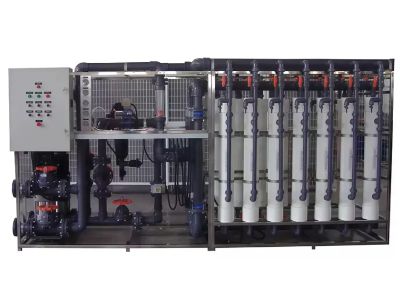
Water is one of the most important things on our planet. We need clean water to drink, cook, and keep ourselves healthy. However, not all water is safe. That is why checking water quality is very important. Companies like SECCO help make sure that water is clean and safe for everyone. There are different ways to test water quality. These tests help us find out if there are harmful things in the water. Knowing how to check water quality is essential for keeping our water safe and healthy
What Are the Key Methods for Water Quality Analysis in Clean Water Systems
When it comes to checking water quality, there are several key methods that people use. One of the most common ways is by taking water samples. This means that someone collects a small amount of water from a source, like a river or a tap. They then take this sample to a lab. In the lab, they can test for different things, such as bacteria, chemicals, and other harmful substances. Another method is using special sensors like Water Quality Monitoring Equipments. These sensors can give real-time data about the water quality. They can measure things like temperature, pH level, and turbidity, which is how clear the water is. There are also tests for heavy metals, like lead and mercury, which can be very dangerous. For example, if a person tests water and finds too much lead, it can cause serious health problems. There are field tests that people can do right on the spot, without needing a lab. These tests are handy for quick checks. Sometimes, people use a combination of methods to be thorough. This ensures they cover all bases when checking water quality. SECCO offers tools that can help with these testing methods, making it easier for everyone to understand if their water is safe
How to Choose the Best Water Quality Analysis Techniques for Wholesale Buyers
When wholesale buyers are looking for ways to check water quality, they have to think about a few important things. First, they need to decide what they are testing for. Different tests look for different things. For example, if a buyer is interested in checking for bacteria, they may want a test that specifically looks for that. If they want to check for chemical pollutants, they should choose tests that can identify those. Next, the ease of use is important. Some methods require a lot of equipment and complicated steps. Others are simpler and can be done quickly. For buyers who work in fields like farming or manufacturing, quick tests might be more practical. Also, the cost of the testing equipment and Integrated Wastewater Treatment Equipments can vary a lot. Buyers should think about their budget and how often they will need to test the water. SECCO offers various options that can fit different needs and budgets. Lastly, it is vital to consider the accuracy of the tests. Reliable results are essential for making important decisions about water safety. Buyers can ask for reviews or recommendations from others in their industry to find the best options. By taking all these factors into account, wholesale buyers can choose the right water quality analysis techniques that suit their needs while ensuring clean water for everyone
What Is the Importance of Accurate Water Quality Testing in Wholesale Markets
Accurate water quality testing is very important, especially in wholesale markets where many people get their water. Water is essential for drinking, cooking, and cleaning, so it has to be safe and clean. When water is not tested correctly, it can lead to serious health problems for people who consume it. For example, if water has harmful bacteria or chemicals, it can make people sick. In wholesale markets, water is sold to many stores and restaurants. If the water is not tested accurately, it can spread bad-quality water to many homes. This can create a big problem for public health. SECCO understands that testing water accurately helps ensure that everyone has access to clean water. Clean water is not just good for health; it also helps businesses run better. When restaurants and stores use clean water, their food and drinks taste better, and customers are happier. This can lead to more sales and a better reputation for the businesses. Moreover, accurate testing can help identify any changes in water quality over time. If a problem is noticed early, it can be fixed before it becomes a bigger issue. SECCO believes that by investing in accurate water testing methods, we not only protect people's health but also support local businesses and communities. This is why SECCO is committed to providing the best water quality analysis. When everyone works together to make sure water is tested properly, we can all enjoy the benefits of safe and clean water
How to Ensure Consistent Water Quality Through Effective Analysis Methods
To keep water clean and safe, it is essential to use effective analysis methods consistently. These methods help to measure the quality of water and find out if it is safe to drink. SECCO emphasizes the importance of using the right tools and techniques for water testing like Industrial Wastewater Solution and Equipment. First, regular testing should be done to check for different things in the water, such as pH levels, bacteria, and chemicals. For example, if the pH level is too high or too low, it can affect how safe the water is. Using reliable tools like test kits and laboratory equipment can help get accurate results. It is also important to follow the correct procedures when testing water. This means collecting samples properly and testing them in a controlled environment. SECCO recommends training staff on how to handle samples and use testing equipment. This training ensures that everyone knows how to perform tests correctly, which leads to more reliable results. Additionally, keeping records of all test results is crucial. By tracking the data over time, it is easier to see if there are any changes in water quality. If a problem is detected, steps can be taken quickly to fix it. Finally, it helps to work with experts who know a lot about water testing. They can provide guidance on the best methods and tools to use. SECCO believes that by following these steps and using effective analysis methods, we can ensure that water quality remains consistent and safe for everyone
What Common Issues Arise in Water Quality Testing and How to Avoid Them
Water quality testing is not always easy, and there can be some common issues that arise. One issue is contamination of water samples. If a sample gets dirty before it is tested, the results can be wrong. For example, if someone touches the inside of a sample bottle with their fingers, bacteria from their skin can mix with the water. This can make it look like the water is not clean when it actually is. SECCO suggests always using clean tools and wearing gloves when handling samples to avoid this problem. Another common issue is not testing the water often enough. If water is only tested once in a while, there might be hidden problems that go unnoticed. Changes in water quality can happen quickly due to weather or other factors. Regular testing helps to catch these changes early. SECCO recommends creating a testing schedule to ensure that water is checked frequently. Other issues can include using outdated or broken testing equipment. If tools are not working properly, they can give incorrect results. It is essential to regularly check and maintain equipment to ensure it is functioning correctly. SECCO also advises keeping up with new technology and methods in water testing. Finally, understanding the results can be tricky. Sometimes, people may misinterpret data if they do not have enough knowledge about water quality. That’s why SECCO believes in educating everyone involved in water testing. By knowing what the results mean, we can make better decisions about water quality. By addressing these common issues, we can improve the accuracy of water quality testing and ensure everyone has access to safe water.
Table of Contents
- What Are the Key Methods for Water Quality Analysis in Clean Water Systems
- How to Choose the Best Water Quality Analysis Techniques for Wholesale Buyers
- What Is the Importance of Accurate Water Quality Testing in Wholesale Markets
- How to Ensure Consistent Water Quality Through Effective Analysis Methods
- What Common Issues Arise in Water Quality Testing and How to Avoid Them