 EN
EN
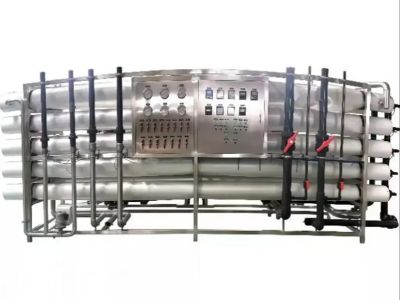
Proper disposal of sewage and safeguarding the environment is a great effort and an important work. When we use water for bathing, cooking, and for our daily needs, they all end up in the drains and flow to Sewage Treatment Plants. If this water containing untreated sewage enters our ocean, it pollutes it; harming fish, birds, the ocean and humans. This is when SECCO and other companies have developed modern Sewage treatment plants to safeguard our oceans and earth. These modern Sewage treatment systems are the protectors of water resources in the earth.
Modern Sewage Treatment Systems to Safeguard Water Quality
The sewage treatment plants work in stages. First, screened water removes all large solids. Next, water enters a large tank where heavier sludge falls to the bottom and lighter impurities like grease float to the top and are skimmed off (sedimentation). Finally, the water enters another tank where specialized bacteria digest the remaining sludge and other contaminants.
Benefits of Modern Sewage Treatment Systems: Key to Water Quality
The benefits of investing in modern Sewage treatment systems are numerous. Firstly, it ensures a cleaner environment. Cleaner rivers would mean healthy fish and birds in the river, resulting in a balance in the environment. Secondly, clean water is important for human health. Sewage treatment plants protect people from contracting water-borne diseases.
In addition to the environmental benefits, modern Sewage treatment systems can aid in water conservation. The treated water is either reused for agriculture or is further treated for drinking. This will eventually decrease the demand for fresh water supply as the demand of water is increasing with more communities growing and increasing populations. SECCO aims to helpcommunities conserve water by offering water treatment systems.
Investing in modern Sewage treatment systems will lead to savings in the long run. While the initial costs of such advanced systems might be high, these investments can reduce health care costs associated with water-borne diseases and prevent future expenditure for cleaning up polluted rivers.
How to Select the Ideal Sewage Treatment System for Your Business?
When you plan to buy a Sewage Treatment plant for your business, you have to make sure of few things like the cost of the plant and its upkeep costs. Also, it is crucial to select the one that will suit your needs and budget constraints. The size of the plant is another factor to be considered, as there are many different sizes available for Sewage treatment plants of different purposes. Get a system that you will have to look after or service at a lower rate, but don't compromise on the quality. Companies such as SECCO can guide you to the perfect sewage treatment system that matches all your requirements; be it the cost, size, type of waste and upkeep maintenance.
Sewage Treatment Systems to Meet Sustainable Development Goals
Sustainable development is all about developing for the future and that includes making our environment clean and sustainable. Sewage treatment systems help contribute to a sustainable future by meeting a number of the UNs' 17 Sustainable Development Goals (SDGs) introduced in 2015. Specifically SDG 6, Clean Water and Sanitation, states that we should ensure availability and sustainable management of water and sanitation for all. Sewage treatment systems are vital in achieving this goal by filtering out harmful substances such as pathogens and contaminants before the wastewater is released into rivers, lakes and oceans. Protecting the environment ensures a sustainable water supply and helps protect life itself.
Innovations in Sewage Treatment that are Making a Difference in the Environment
Many innovative technologies are being developed to help Sewage treatment plants to be more effective and produce a cleaner and safer wastewater output. For example, advanced filtration methods are being developed which have shown promising results in removing microscopic pollutants and chemicals from wastewater. Plants that rely on natural biological processes are also gaining a lot of interest as they use biological filtration methods. These new systems reduce water pollution effectively and are more ecological friendly.
Table of Contents
- Modern Sewage Treatment Systems to Safeguard Water Quality
- Benefits of Modern Sewage Treatment Systems: Key to Water Quality
- How to Select the Ideal Sewage Treatment System for Your Business?
- Sewage Treatment Systems to Meet Sustainable Development Goals
- Innovations in Sewage Treatment that are Making a Difference in the Environment