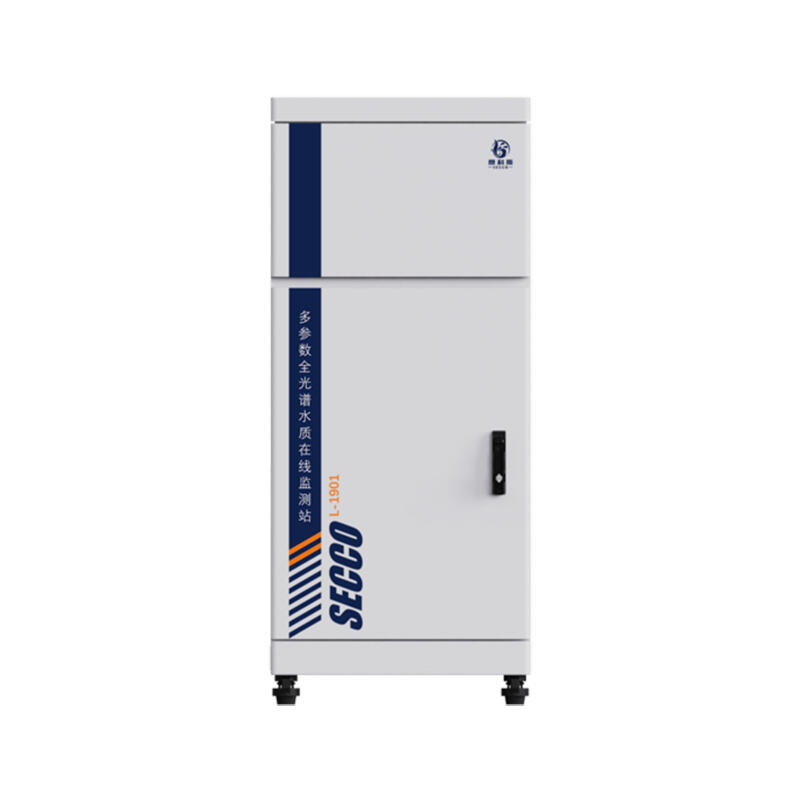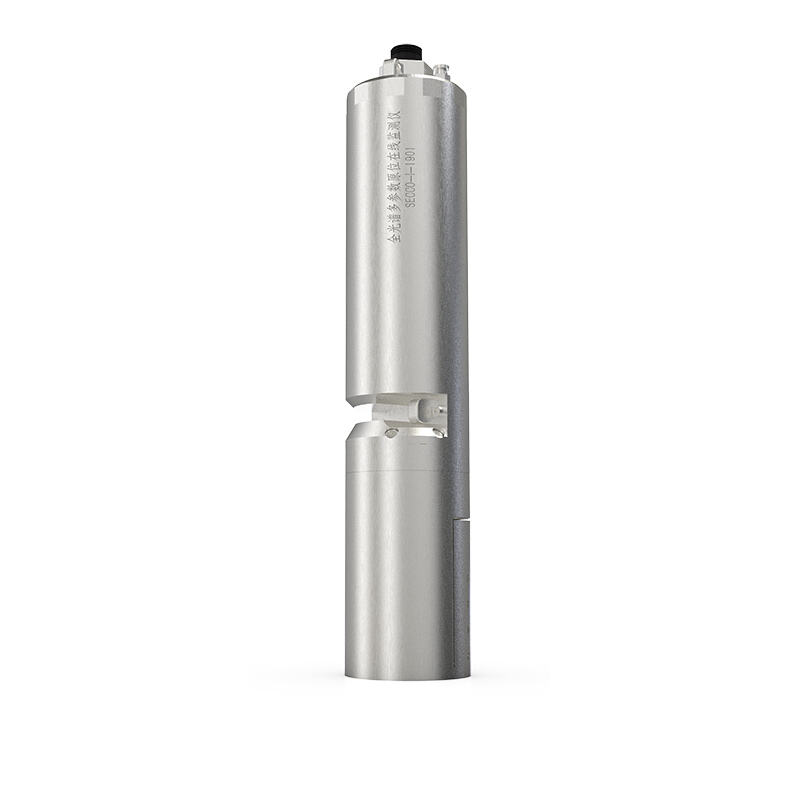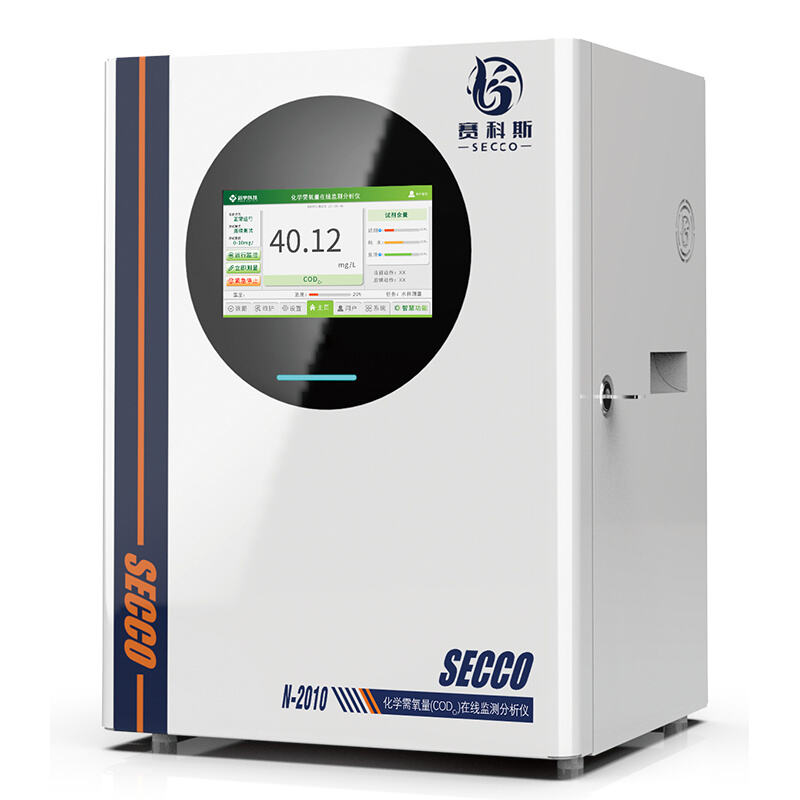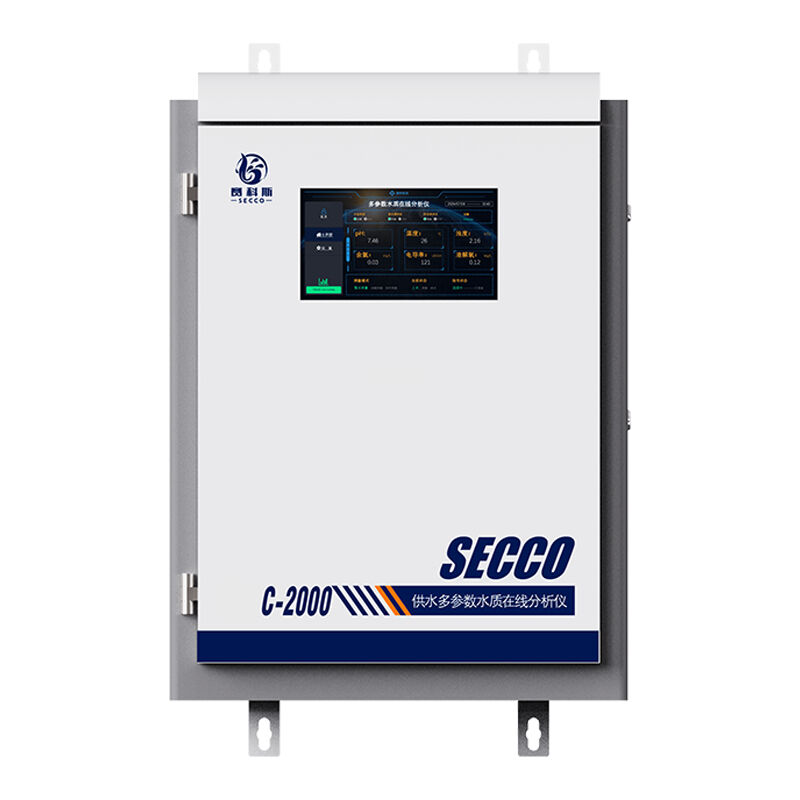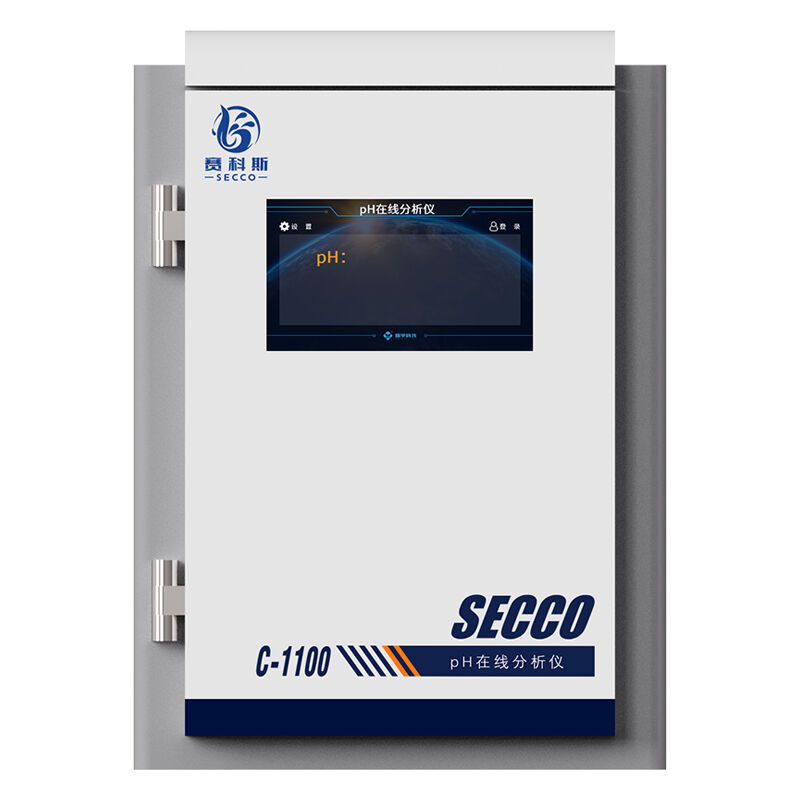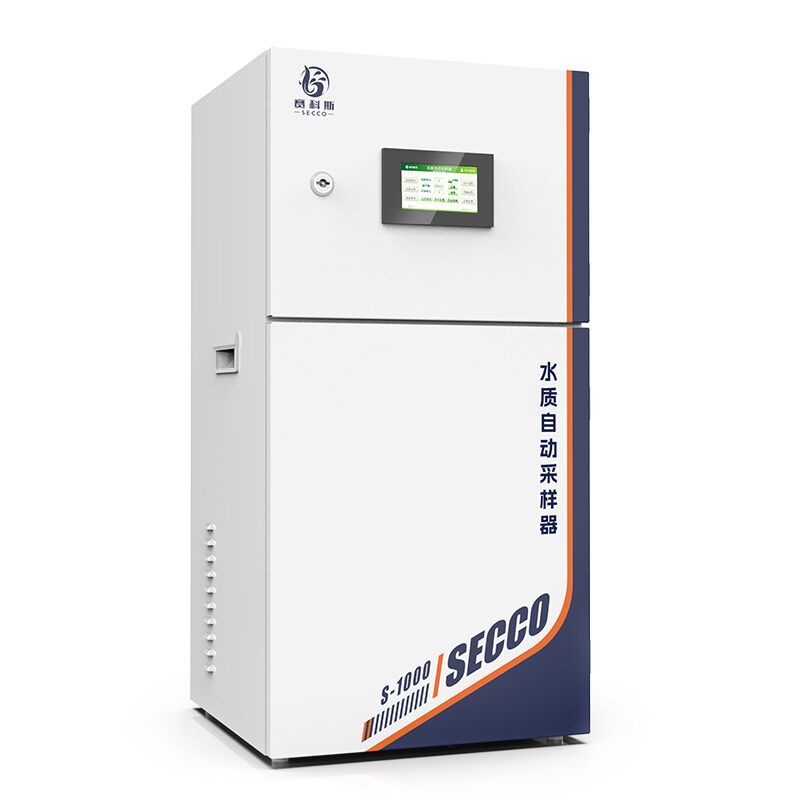
Kapag pumipili ng isang sensor para sa kalidad ng tubig na bibilhin nang nakadetalye, maraming mga salik ang dapat isaalang-alang. Maaaring gamitin ang mga sensor upang makita ang mga bagay tulad ng antas ng pH, temperatura, kabuluran, at oo, kahit ang mga bacteria. Halimbawa, kung kailangan mong subukan ang pH ng tubig, hanapin ang isang sensor na tumpak at kumpletong-kompleto. Ang ilang sensor ay may digital na display na nagpapakita ng mga reading, ngunit sa iba maaaring kailanganin mo pa ng hiwalay na monitor. Sulit din na isaalang-alang kung gaano katagal ang buhay ng sensor. Kung gagamitin mo ito sa matitinding kondisyon—tulad sa ilog o sa isang pabrika—dapat sapat itong matibay upang mapaglabanan iyon. Tandaan din ang oras ng tugon ng sensor. Ito ang bilis kung saan maibibigay nito ang mga resulta. Gamit ang mas mabilis na sensor, maaari kang gumawa ng mabilisang paghatol kung ligtas ba uminom ang tubig. Maaari mo ring isaalang-alang kung gaano kadali pangalagaan ang sensor. Ang ilang sensor ay nangangailangan ng regular na paglilinis o pagkakalibrado, habang ang iba ay hindi gaanong nangangailangan. Isaisip din ang presyo. Kailangan mo ng isang sensor na abot-kaya at sumasakop naman sa iyong mga pangangailangan. Maaaring mag-alok ang SECCO ng iba't ibang opsyon upang mapili mo ang pinakaaangkop
Ang unang dapat gawin ay hanapin ang mga mapagkakatiwalaang tagahatid ng mga sensor para sa kalidad ng tubig nang buo. Isa sa paraan upang magsimula ay sa pamamagitan ng pagba-browse sa internet. Maraming mga negosyo ang nagpapakita ng kanilang mga produkto sa mga website. Maaari mong basahin ang mga pagsusuri at malaman kung ano ang sinasabi ng iba pang mga customer tungkol sa kanilang karanasan. Maaaring gawin ka nitong mas komportable sa paggawa ng desisyon. Maaari mo ring puntahan ang mga trade show. Ang mga home water filter system ay mga pagkakataon na marami ang kinukuha bilang sandali upang makipag-ugnayan sa produkto. Ito ay isang mahusay na pagkakataon upang magtanong at masdan ang mga sensor habang gumagana. Magagawa mo ring bisitahin ang mga kinatawan mula sa iba't ibang kumpanya tulad ng SECCO upang higit pang malaman ang tungkol sa kanilang mga produkto. Ang pakikipag-ugnayan sa iba sa iyong larangan ay maaari ring maging kapaki-pakinabang. Maaaring imungkahi nila ang mga supplier na pinagkakatiwalaan nila o ikuwento nila sa iyo ang mga produktong gusto nilang gamitin. Sa wakas, isaalang-alang din ang paghiling ng mga sample. Ang mga spool ng chip resistor ay maaaring i-order mula sa maraming supplier, at kadalasan hinahayaan ka nilang mag-order ng sensor sa maliit na dami bago bumili ng maramihan. Ito ay upang masiguro mong gagana ang sensor para sa iyong kailangan. Mamuhunan sa pagpapaunlad ng maayos na relasyon sa iyong supplier sa mahabang panahon, dahil ito ay magdudulot sa iyo ng mas magagandang alok at suporta.
Ang mga sensor ng kalidad ng tubig ay mahahalagang kasangkapan na nagbibigay-daan sa amin upang maunawaan kung gaano kalinis — o marumi — ang ating tubig. Ngunit may mga pagkakataon na nagkakaroon ang mga sensong ito ng problema, na nagdudulot ng hindi maayos na paggana. Ang isang karaniwang isyu ay maaaring madumihan ang mga camera. Kapag hindi nilinis, maaari silang magbigay ng nakaliligaw na impormasyon tungkol sa tubig. Dapat mong linisin ang mga sensor paminsan-minsan upang maiwasan ang problemang ito. Maaari mong patuyuin ang tela at gamitin ang banayad na sabon panglinis. Isa pang problema ay ang posibleng hindi tama ang posisyon ng mga sensor. Kung sakaling napakalapit ang isang sensor sa pader o iba pang bagay, maaari itong magbalik ng maling mga pagbabasa. Ang solusyon dito ay siyempre ilagay ang sensor sa isang bukas na lugar kung saan malaya nitong masusukat ang tubig nang walang sagabal
Minsan, nasira rin ang mga sensor kung hindi maingat ang paghawak dito. Pinakamainam na basahin at sundin ang mga tagubilin upang maiwasan ang ganitong sitwasyon. Maaaring kailanganin ang pagkukumpuni o kapalit ng sensor kung ito ay mabigo. Nais mo ring suriin kung ang mga solusyon sa paglilinis ng tubig baterya, kung mayroon man, na nagpapakilos sa sensor ay gumagana nang maayos. Maaaring magbigay ang sensor ng maling pagbabasa kung mahina na ang baterya. Maaari mong imbakan ang ilang dagdag na baterya upang maiwasan iyon. Ang mga sensor ay maaaring maapektuhan din ng panahon. "Kapag malakas ang ulan, ang tubig mismo ay maaaring lumapot" — marumi — na maaaring baguhin ang mga pagbabasa, sabi niya. Dapat kong tandaan na ang ilang sensor ay sensitibo sa temperatura ng hangin, kahalumigmigan, atbp. Ang SECCO water quality sensors ay maaaring magbigay ng tumpak na impormasyon sa pamamagitan ng pagtugon sa mga karaniwang problema tulad ng paglilinis, tamang paglalagay, at pinsala.
May maraming uri ng sensor para sa kalidad ng tubig at lahat ay may kani-kaniyang layunin sa isang paraan o sa iba pa. Ang ilang sensor ay dinisenyo upang tukuyin kung gaano kahala ang tubig o kung gaano karami ang mga partikulo dito. Tinatawag na mga sensor na ito bilang turbidity sensors. Perpekto sila sa pagtataya ng kalidad ng tubig sa mga ilog o lawa na maaaring puno ng putik. Ang iba pang sensor naman ay nakakatukoy sa dami ng mga kemikal, tulad ng chlorine, na naroroon sa tubig. Mahalaga ang mga ito sa mga swimming pool, kung saan napakahalaga ang pagpapanatili ng ligtas na antas ng kalinisan ng tubig. Ang mga pH sensor ay mahalaga para sa inumin na tubig. Ang mga ito mga sistema sa pagtrato ng tubig para sa tubig mula sa balon ang mga sensor na ito ay tumutulong sa amin upang malaman kung ang tubig ay sobrang acidic o sobrang basic. Dapat ang tubig na mainom ay katulad lang ng kanin ni Baby Bear—hindi sobrang mainit, at hindi sobrang malamig.
Sa mga bukid, umaasa ang mga magsasaka sa mga sensor upang bantayan ang tubig sa kanilang mga taniman. Ang mga sensor ng kahalumigmigan ng lupa ay nagbibigay sa kanila ng ideya kung kailan nila dapat patubuin ang kanilang mga halaman. Mahalaga ito dahil masyadong kaunti o masyadong maraming tubig ay maaaring makapinsala sa mga pananim. Nagbibigay ang SECCO ng iba't ibang uri ng sensor na nakakatugon sa mga pangangailangan na ito. Maaaring magamit ang mga ito sa maraming aplikasyon, kabilang ang pagprotekta sa tubig na inumin, pangangalaga sa mga swimming pool, at pagsasaka. Ang pag-alam kung aling sensor ang pinakamainam para sa bawat sitwasyon ay nakatutulong sa mga tao upang mas mapabuti ang pangangalaga sa tubig. Ang pagpili ng buong bahay na sistema ng pagsisikat ng tubig tamang sensor ay makatutulong upang masiguro na malinis at ligtas ang ating tubig para sa lahat.
Patuloy na nagbabago at umuunlad ang teknolohiya ng sensor para sa kalidad ng tubig. Isa sa pinakabagong teknolohiya ay ang mga smart sensor. Ang mga sensorn ito ay maaaring ikonekta sa internet at magpadala ng datos sa aming mga telepono o kompyuter. Ibig sabihin, nakikita natin kung gaano kalinis ang ating tubig kahit hindi pa tayo tumatalikod sa kama. Nakatuon ang SECCO sa paglikha ng mga sensor na hindi lamang matalino kundi madaling gamitin din. Ang isang pangatlong uso ay tungo sa mga sensor na sistema ng water softener para sa tahanan kayang masukat ang higit pang mga bagay nang sabay-sabay. Halimbawa, ang ilan sa mga bagong sensor ay kayang subukan ang pH, temperatura, at turbidity nang sabay. Nito, mas maraming impormasyon ang nakukuha ng mga tao nang hindi na kailangang gumamit ng maraming sensor.
 EN
EN