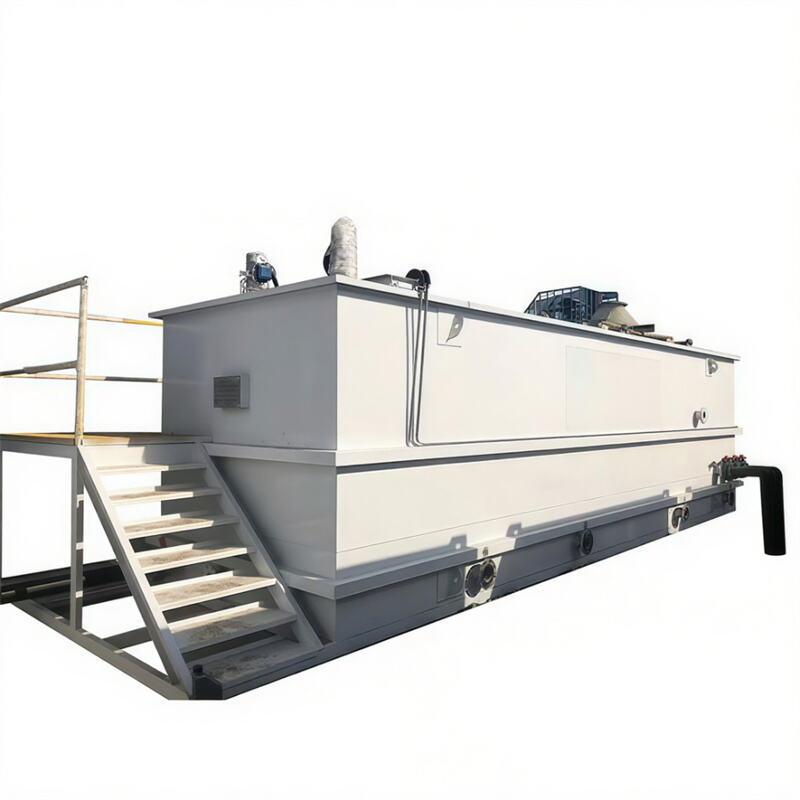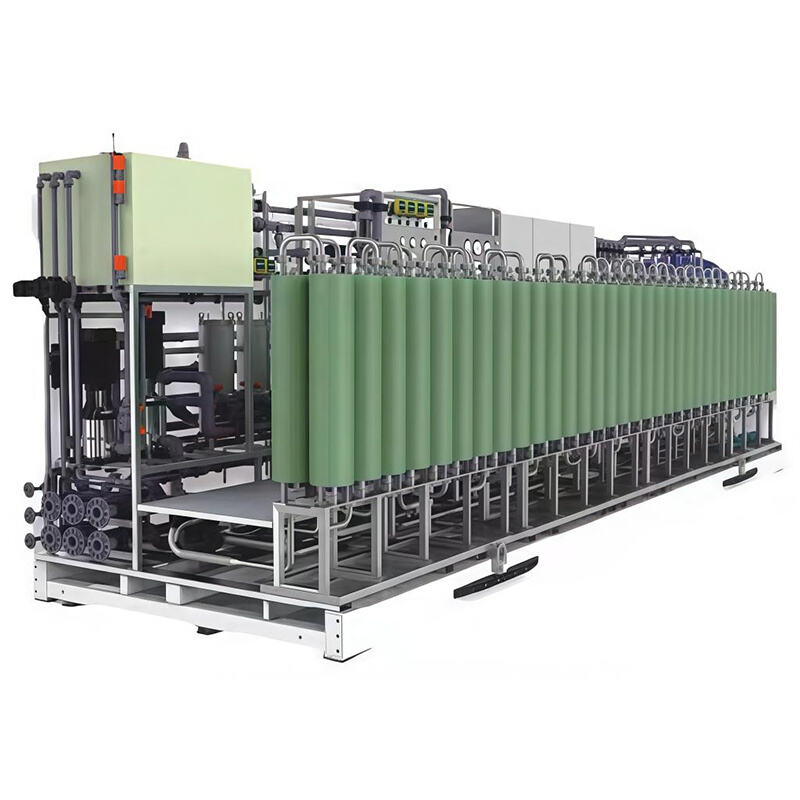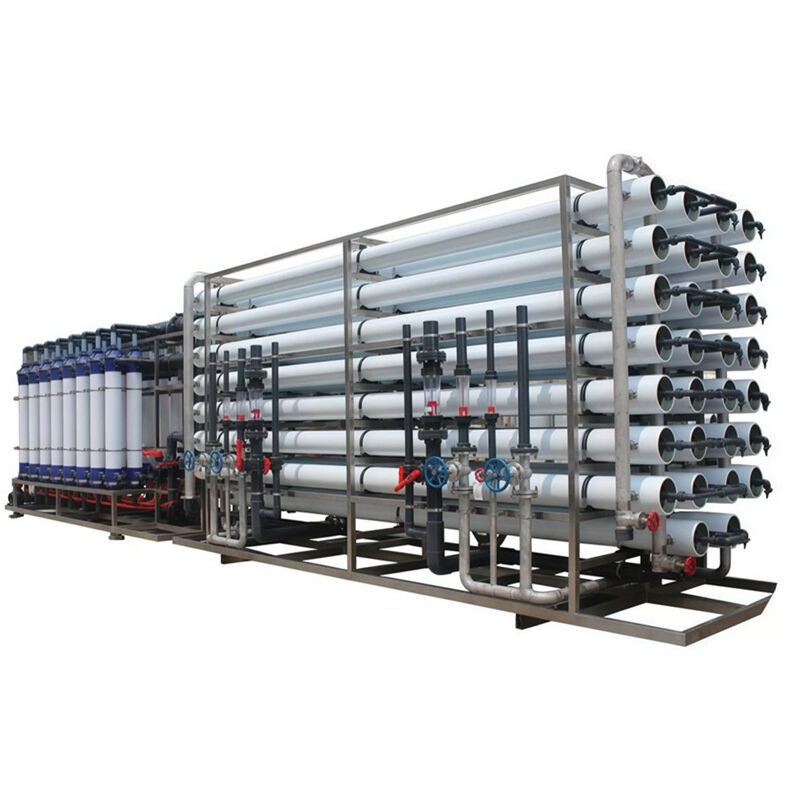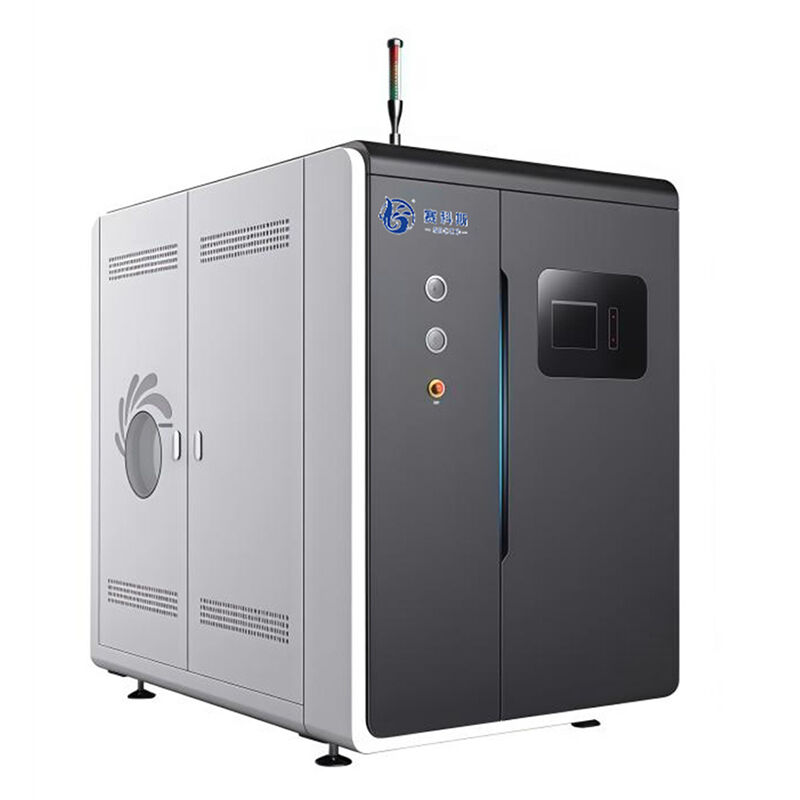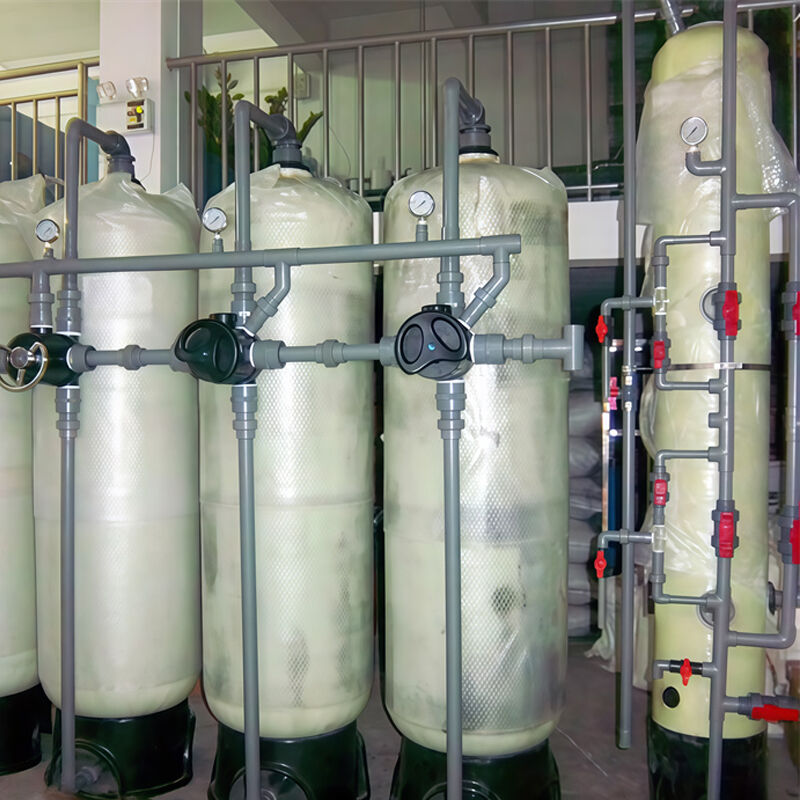
Agricultural wastewater is water that comes from farms and fields. This water may be dirty and laden with chemicals from fertilizers and pesticides. If we don’t clean up this water, it can damage the environment and our health. Which is why it’s so crucial to have good ways of cleaning agricultural wastewater. SECCO is one of the companies working with farms to address this issue. They construct wastewater treatment facility to treat wastewater so that it can be used again. It’s a process that safeguards our water sources and ensures the health of the land.
Recently, inventive thinking and technology have come up with new, better ways to handle agricultural wastewater. One fascinating development is learning from nature, for example, wetlands. These wetlands are unique places where plants and soil work together to clean the water. When waterborne pollutants pass through these wetlands, the plants remove the toxins. This is an entirely natural method of water purification that does not require a lot of energy. More advanced filtration systems with special membranes have been another breakthrough
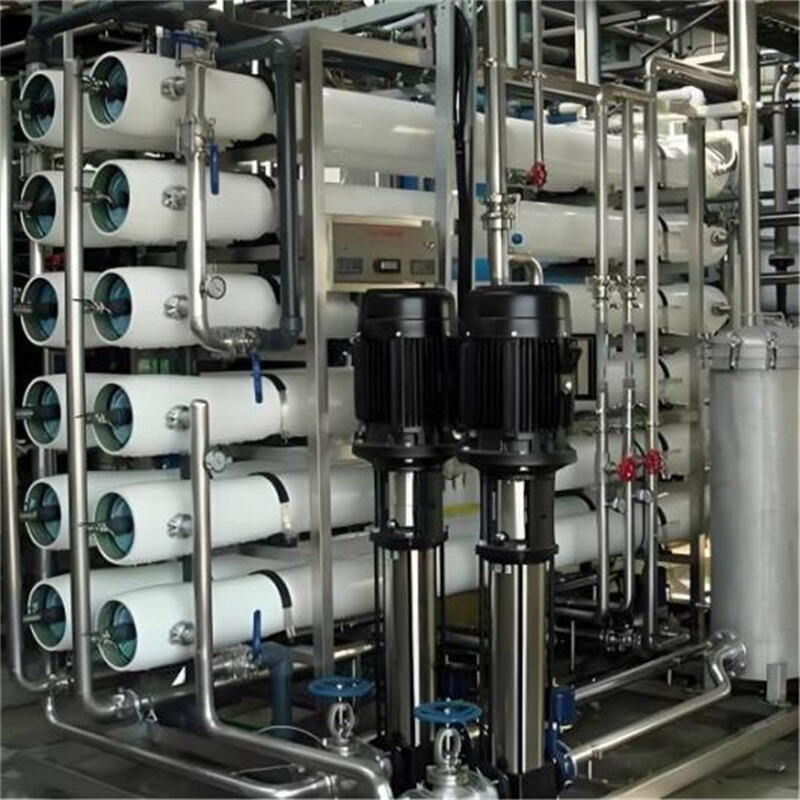
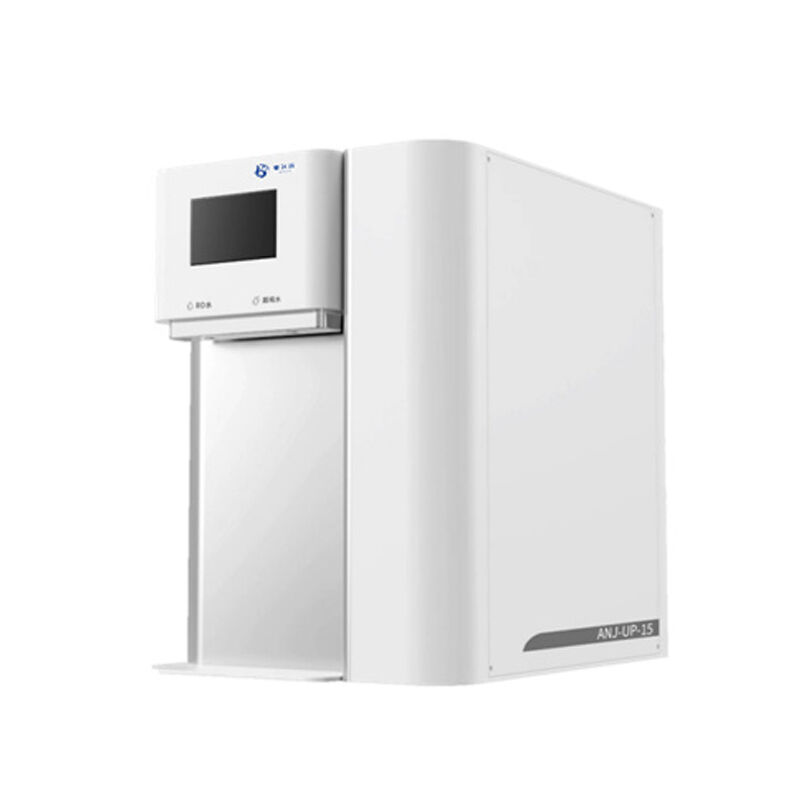
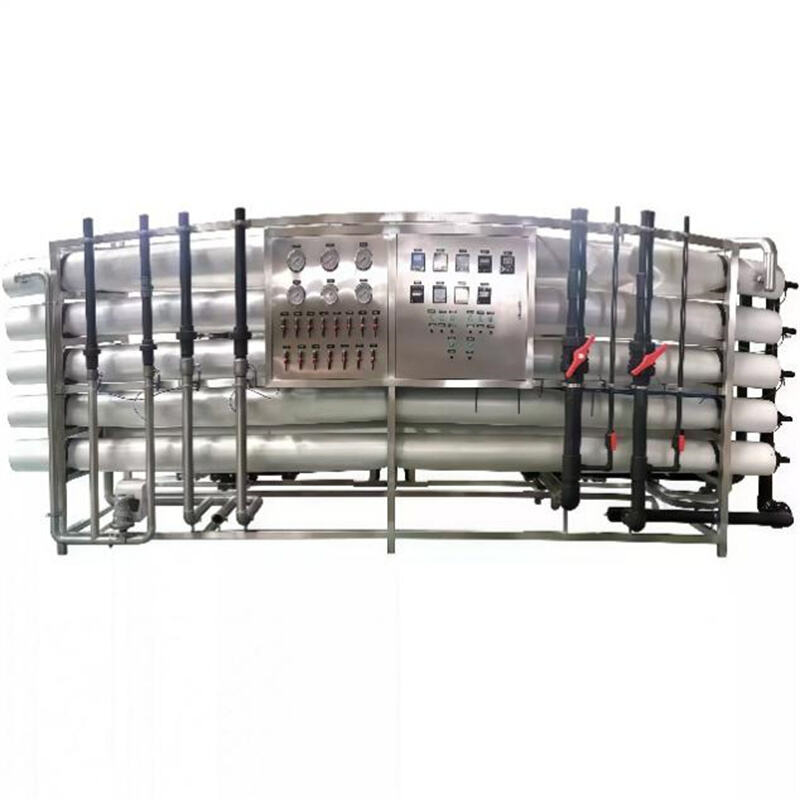
These membranes are capable of filtering out very small particles and chemicals, thus making the water significantly cleaner. They are cheaper to run and can be utilized in a wider range of agricultural operations. SECCO has been developing these systems to ensure they are practical and easy to use. In wastewater treatment chemicals, intelligent technology is also gaining popularity. Sensors can monitor water quality continuously and inform farmers when the water is safe for reuse. It is a time, saving measure that also reduces pollution. Furthermore, there are a few farms taking advantage of bioenergy systems. These systems not only purify the water but also enable the waste, to, energy conversion, which can then be used to power the farm.
Wastewater from farming comes with problems of its own. One major issue is that treatment systems are very costly. Technology that is top, notch and advanced may be expensive and thus beyond the reach of many farmers. This could make it difficult for farms, particularly the small ones, to afford or stay up to date with the proper management of waste water. Besides that, there is the diversity of waste produced. Different farming operations generate different types of wastewater, each requiring a distinct treatment method. That may be disorienting and challenging to handle
The other environmental factor that impacts wastewater treatment is weather. Heavy downpour, for instance, might wash chemicals from the fields and cause even more pollution of the water. And sometimes farmers are simply not aware of the best ways to treat their wastewater. They could be untrained or lacking information about the latest technology. This is what SECCO is doing by developing cheap solutions and educating farmers about environmental issues. They want to help farmers understand why treatment of industrial wastewater is essential and how it can be done properly. Regulations can also be very challenging. Farmers will need to adhere to government regulations on what to do with wastewater. It is so much to remember, especially if you are not an insider who spends the whole day every day inside the system.
Treatment of agricultural wastewater is an essential part of the overall water safety and cleanliness mission. Crop irrigation and animal husbandry generate wastes which potentially find their way into the nearby water bodies. So, to protect the environment, farmers, are therefore obliged to comply with legal requirements when managing their wastewater. SECCO, moreover, helps farmers interpret these rules. First of all, farmers should take stock of the regulations. Different areas quite possibly have different rules on wastewater treatment. Farmers may have to contact local or state agricultural departments for the information on what needs to be done. Most of the times it is about applying for permits which enable them to discharge properly treated water back into the environment
Another important point is to keep records of everything. Farmers are to note down how they treat their waste water. This way if there is a demand for proof of their operations they will be in a position to produce the evidence. A regularity of inspections is something that has to be done continuously as well. This is one way of a gov official or an expert verifying/confirming that the farm is running in compliance with the established rules. Farmers can also, on their own accord, join water purification concern groups. Such groups usually provide not only the necessary equipment but also updates on the regulations.
When treating agricultural wastewater, the halfway house is all about the technology you use. SECCO is aware that there are several ways to treat this type of water. One strategy that works is called “biological treatment. Using small living organisms, such as bacteria, to process waste in this way. These bacteria will feed off of dangerous substances in the water, which makes it cleaner. Another technology is constructed wetlands. It’s creating a mini swamp where plants and soil can help filter out bad stuff from the water. This is a natural method that can work very well. Farmers can also go in for ‘membrane filtration. “ It’s sort of a high-tech way to clean water: You use special filters that trap dirt and germs. Though it can be pricier, it’s enormously effective. Some farmers opt to mix various technologies for the best effect. Farmers need to consider their needs and budget when choosing which technology to use. They could then speak to an expert, such as one at SECCO, to determine the best solution for their unique circumstances. With these state-of-the-art techniques, farmers can treat their wastewater in the right way and be certain that water being discharged to the environment is safe and clean.
 EN
EN