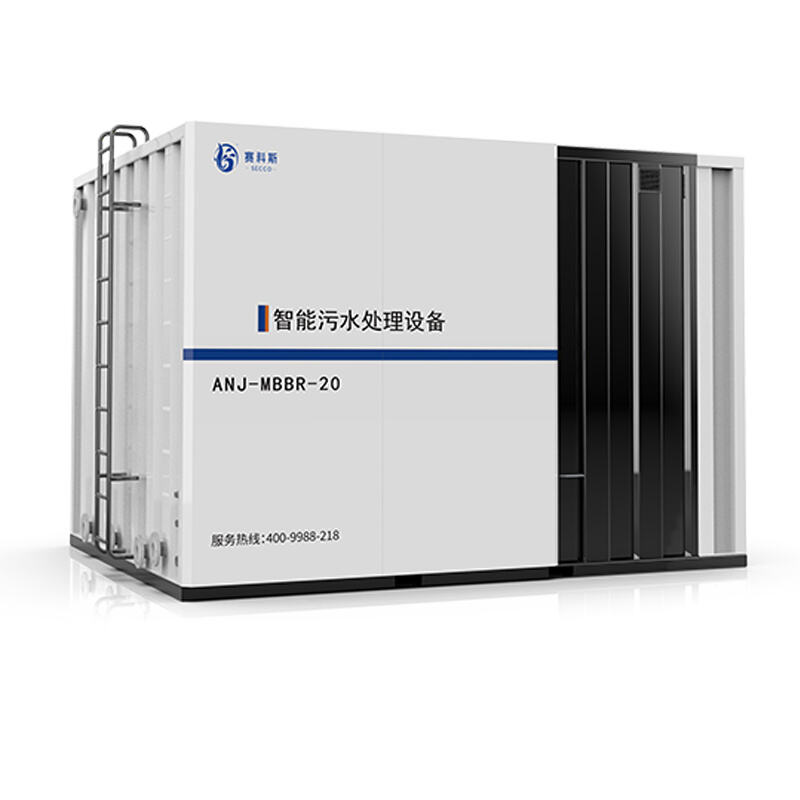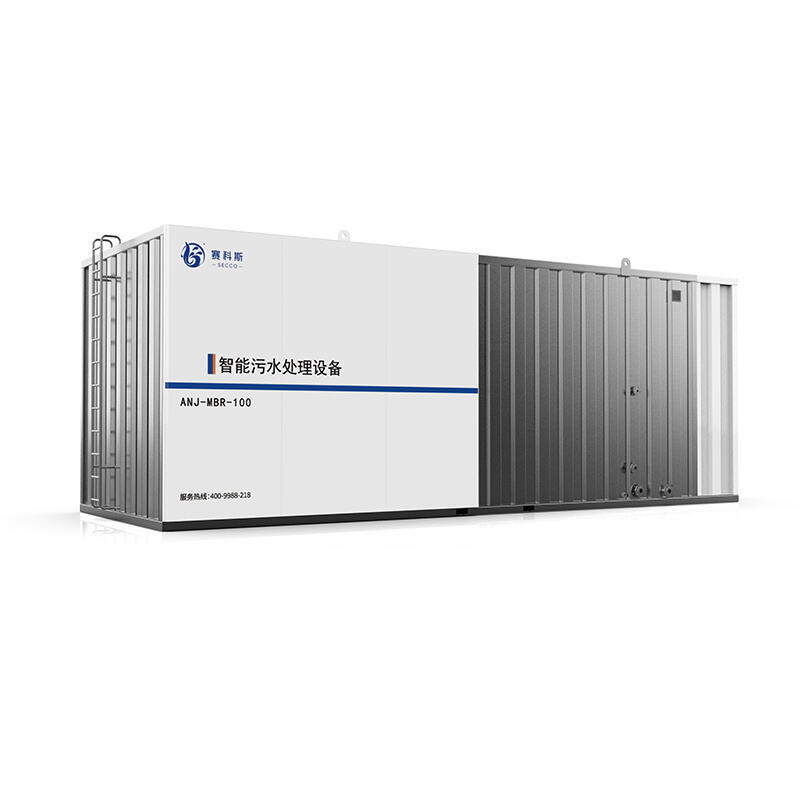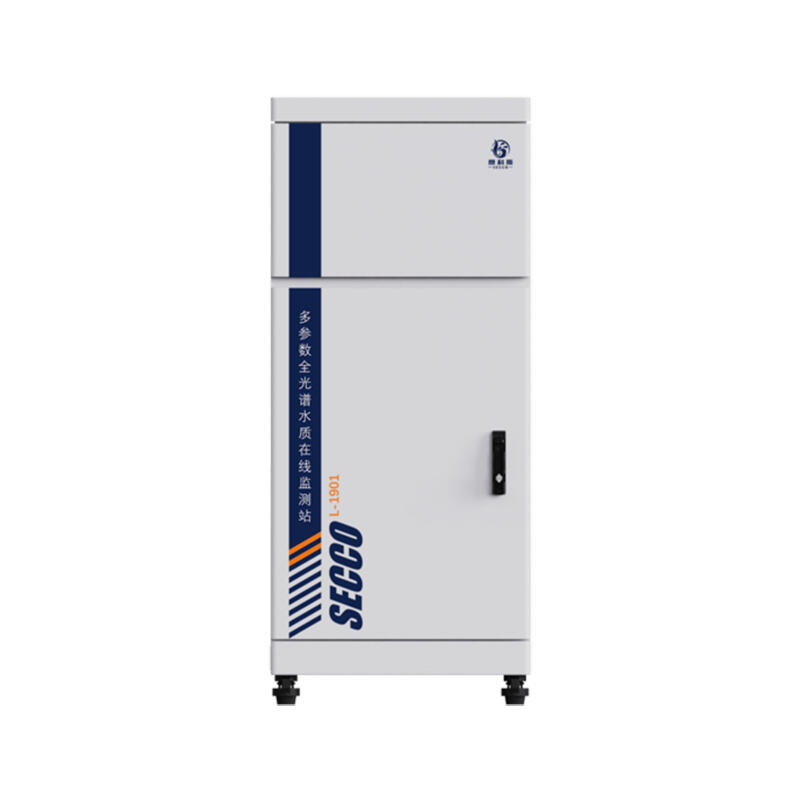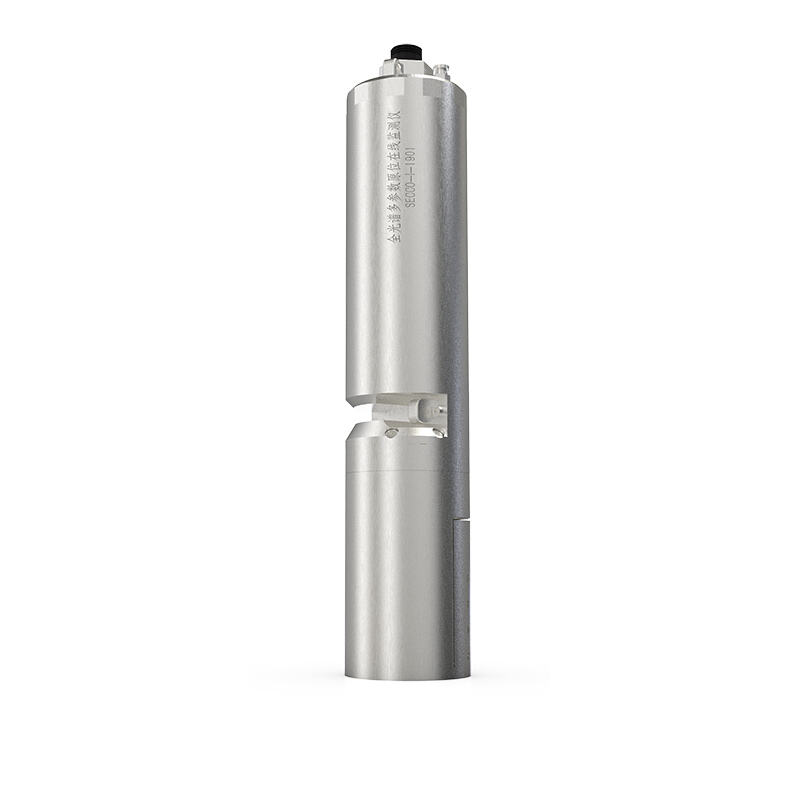
Large amounts of industrial waste are a problem for many plants or factories. Comapnies produce waste every day and if not disposed properly, it can result in harming the environment. This waste might arise in manufacturing products, cleaning machines or even packing goods. So it would make sense for businesses to figure out a way to treat that waste so that the planet does not get hurt. SECCO understands there is more to an industrial waste treatment solution than just rules. It’s about taking care of our earth and our communities. Companies that treat their waste well contribute to keeping air and water clean. And that’s great for everyone even future generations.
There are many types of treatments available for industrial waste, really the best course of treatment depends on the needs of your business. For instance, a company may decide to recycle their garbage. It’s great to recycle because it makes something new out of garbage before we throw it away. Factories that use plastic can recycle it into new goods. Another is incineration, or burning waste so that it turns to ash and gas. It can be a way to minimize waste, but this must be practiced cautiously so as not to pollute. In some cases SECCO will recommend both methods. A business, for example, might recycle some waste but manage other portions in an alternative manner.
Big businesses that generate industrial waste have many challenges. One of the challenges to be addressed is understanding how to dispose of waste safely. Industrial waste is from factories and construction sites, or places where things are made or buildings are built. This waste can be environmentally hazardous if not properly handled. For one thing, some of the chemicals and metals in waste could contaminate water and soil. Businesses have to observe the rules to avoid harming the environment. At times, these rules are complex and businesses may have difficulty figuring out what they must do. Another factor is the expense of waste disposal. The right way to treat and dispose of waste sometimes costs money. Smaller concerns may struggle to afford these services. They may attempt to save money by taking shortcuts and end up causing more harm. And many businesses don’t have sufficient space to safely store waste until that happens. This claustrophobia can also make it difficult to keep waste contained and organized. And, finally, some companies may lack the proper tools or technology to treat their waste cleanly. Without the proper gear, garbage can amass and result in yet other problems. SECCO appreciates the struggles organisations face and assists them to find a plant that is not only more effective, but also more environmentally friendly. We offer answers that help end users to dispose of waste more efficiently and with less impact on the environment.
SECCO also provides voluntary education programs where workers can learn about how to reduce waste and dispose of it safely. New technology is also a good plan of investment. New processing machinery can treat waste more effectively. For example, some machines might sort types of waste so recycling is more convenient. Companies could also seek alliances with waste treatment plants that can process their specific kinds of waste. Teaming up with experts can lead to more effective solutions that save time and money. Finally, companies need to constantly monitor how waste is managed for improvements. By monitoring progress, they see what works and what doesn’t. Making incremental adjustments can result in major improvements in efficiency over time. SECCO is dedicated to the pursuit of making it easier and more economical for business owners to find efficient waste management for their businesses.
“The reduction in the way businesses deal with industrial waste is absolutely crucial to the environment and the company’s success.” First, businesses need to measure their waste. That’s because they need to closely scrutinize the kinds and amounts of waste they produce. By better understanding their waste, they can figure out ways to generate less of it. For instance, they might also be able to alter certain processes in a way that allows them to produce less waste or use materials that are better for recycling. Another way to better treat waste is to train workers. Employees are more likely to practice good waste management if they know that it is important.
 EN
EN