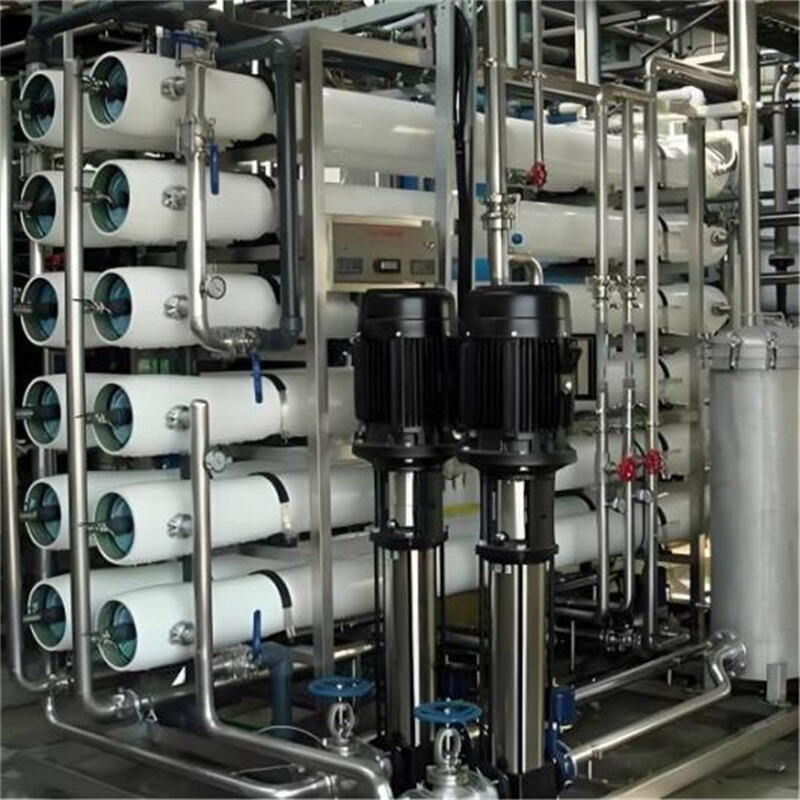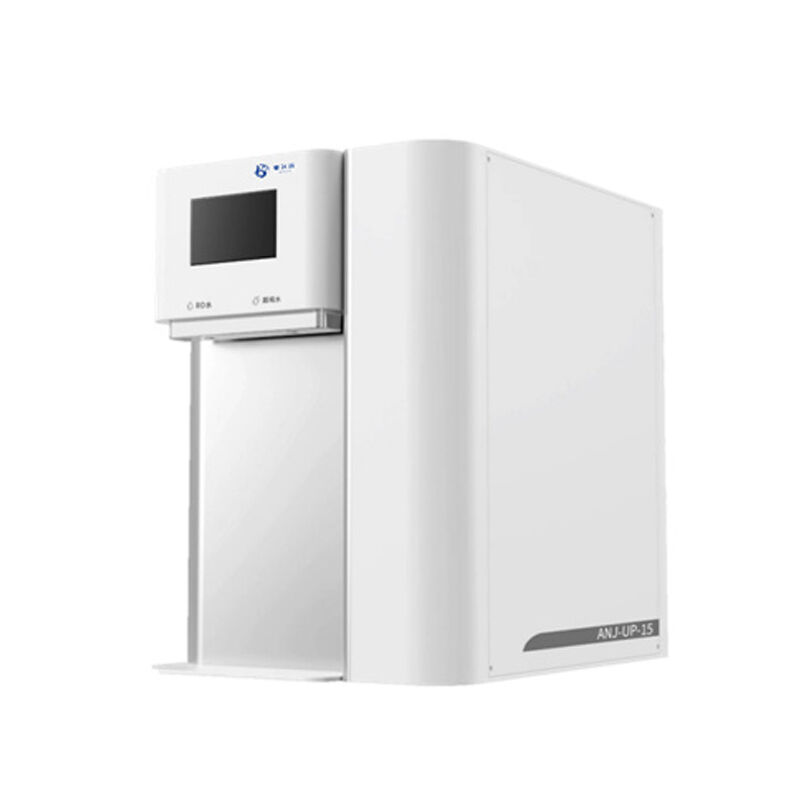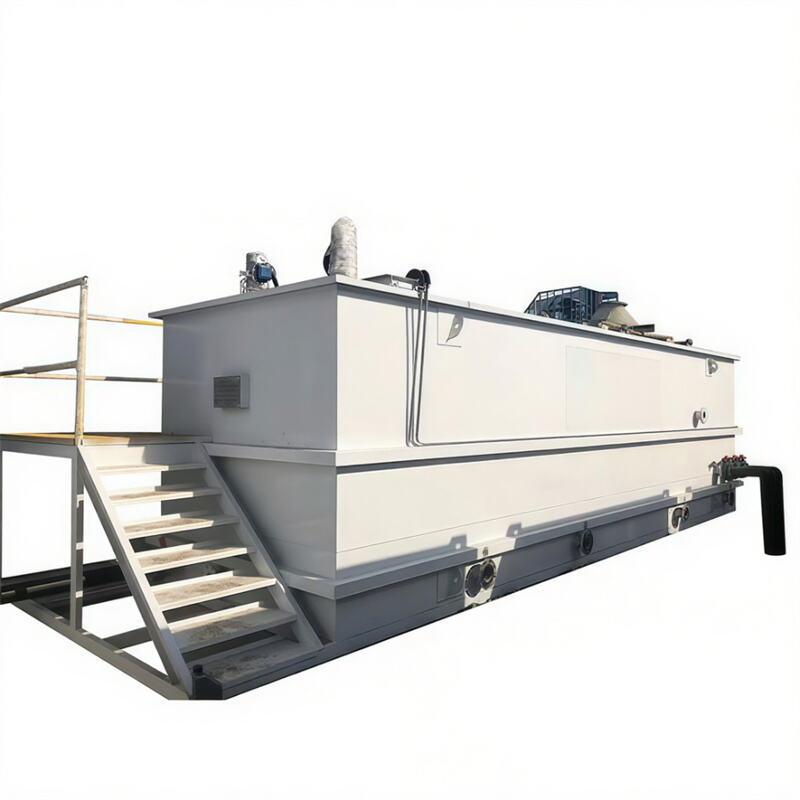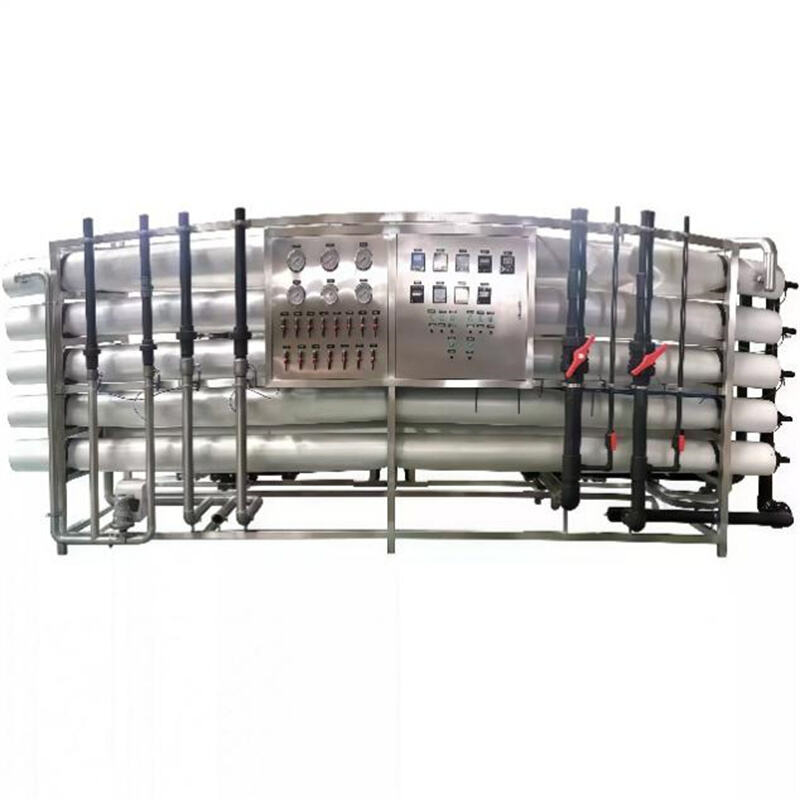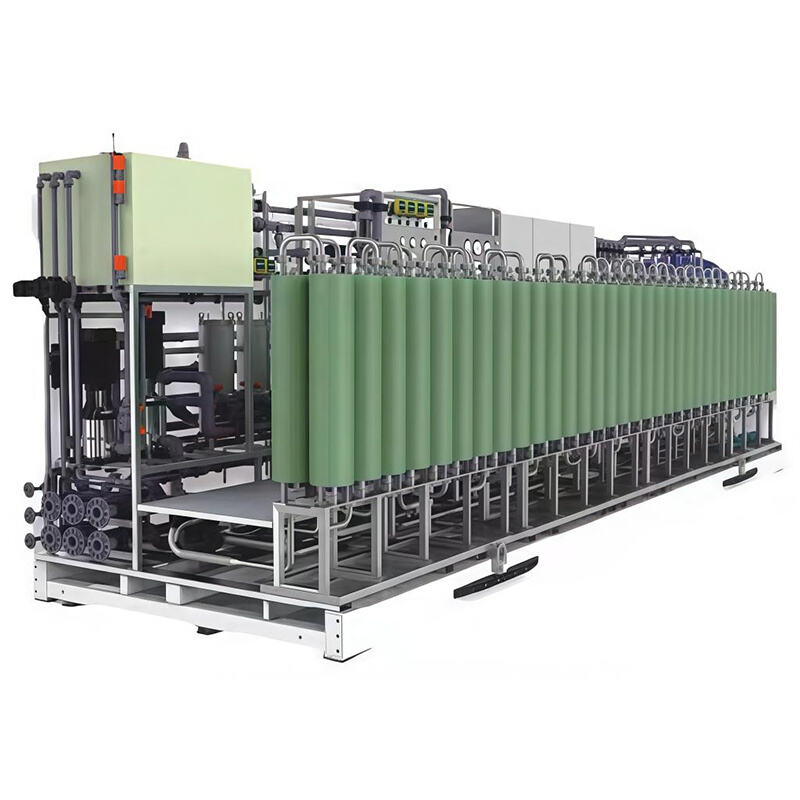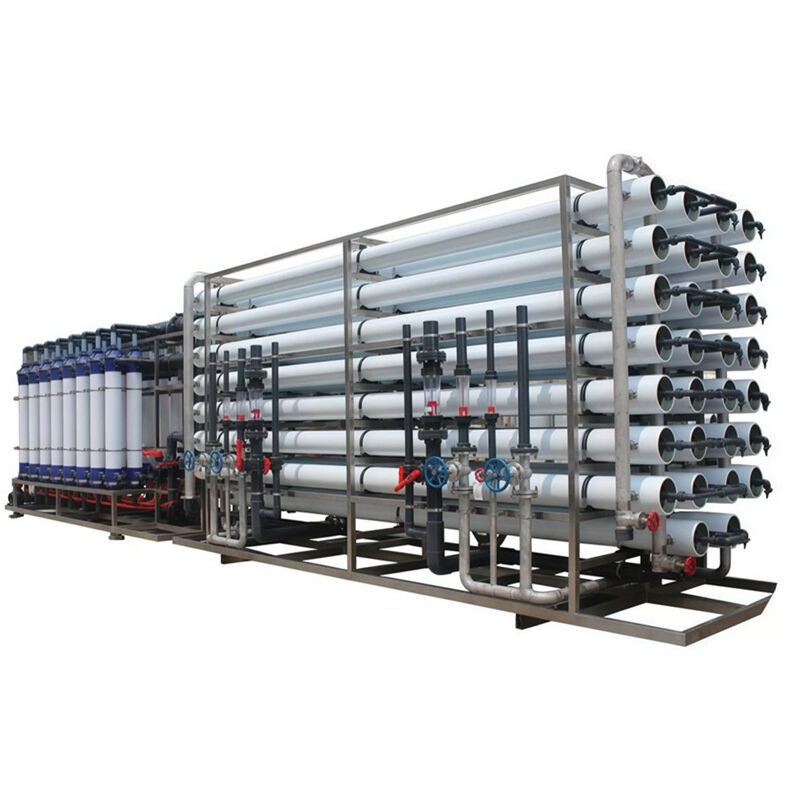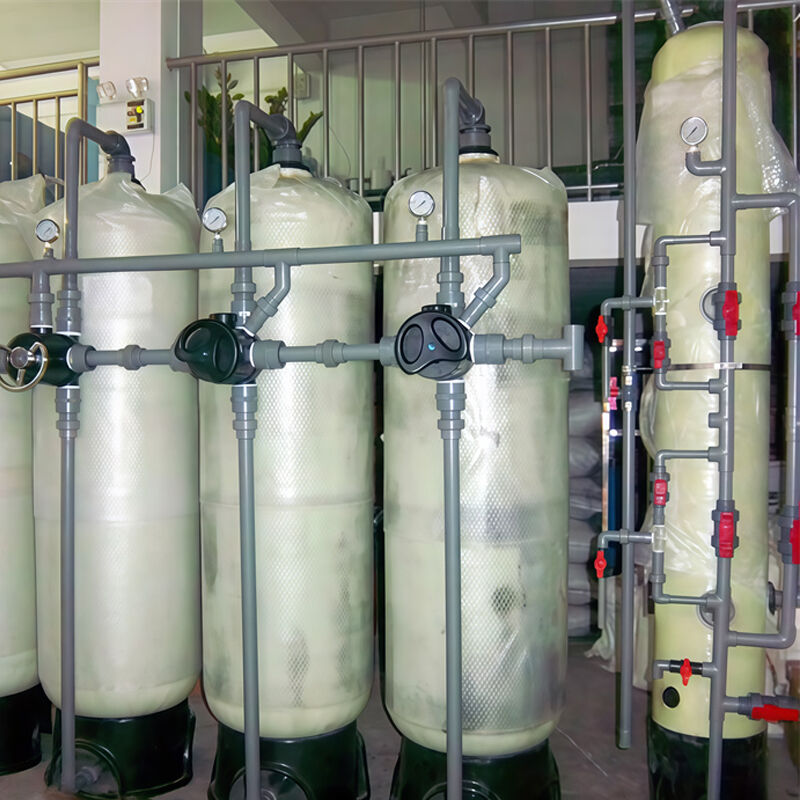
Industrial effluent treatment is a technique of cleansing filthy sprinkle from manufacturing facilities. When manufacturing facilities produce points, they have the tendency to use sprinkle and chemicals. The sprinkle can be dangerous to the environment after it was used, otherwise refined properly. This sprinkle — which can consist of hefty steels, oils and various other contaminants — is known as effluent. Companies like SECCO focus on dealing with this sprinkle before it's returned to the rivers or seas. We clean the effluent to assist ensure that fish, plants and also people obtain and take in clean sprinkle. Dealing with industrial effluent is not just great for the environment but also crucial for business that produce it.
It's beneficial to treat the industrial effluent. The first is protecting the environment. When manufacturing facilities clean their waste sprinkle, they prevent contaminants from going into rivers and lakes. That maintains our sprinkle clean for drinking and for wild animals. A side benefit is that manufacturing facilities can cut costs. Companies can recycle treated sprinkle in their processes. This also means they do not need to take as a lot fresh sprinkle from local resources. Besides, manufacturing facilities that properly treat their waste don't sustain penalties and penalties from the federal government. Cannot play sphere on waste can produce expensive problems.
And treating effluent can bring improved community relations. A factory that demonstrates it cares about the environment is probably one that the local community wants to support. People want to live near businesses that contribute, not deter, the quality of life. This in turn can mean a better reputation and even more customers. Finally, the wastewater treatment chemicals can occasionally be used in other sectors. For circumstances, some manufacturing facilities can purge treated sprinkle through pipelines for cooling or cleaning. This is a shut system that recirculates the sprinkle, great for the environment. SECCO knows this and works diligently to aid companies in effectively dealing with their effluent.
There are problems with red tape, also. Regulations on effluent can shift, and maintaining is challenging for companies. They need to go through what they are allowed to do, and what not, or risk entering into difficulty. Sometimes a business may not recognize it is breaking the rules until it is far too late. Additionally, the ideal techniques for dealing with effluent might not constantly be well comprehended. Some companies may not be familiar with the newest technologies or techniques that can help them. We can help companies to browse these challenges by providing affordable, practical solutions.
The selection of the appropriate industrial effluent treatment plants is vital for industries generating waste-water. Well, the first thing to know is what does effluent mean. Effluent is dirty water produced by factories and which, if not properly processed, can be harmful to the environment. Choose a membrane filtration water treatment system based on the type of waste your plant produces. Some facilities generate chemicals, others food waste. Each of these types of waste requires different methods for processing. You also need to consider how much effluent your factory generates on a daily basis. The system a small factory needs is not the same as one needed by a large one.
Next, consider the available technology. There are great deals of ways to manage effluent, such as filtering or through the application of chemicals, or also all-natural processes. Select what you feel will benefit your manufacturing facility and is affordable for you. Experts such as SECCO could help to look for assistance. They may provide information on which systems are the very best for your circumstances. Another factor is the price of running it. Some systems could be cheaper to install but more expensive to run. And remember to accumulate the longterm costs, not simply the initial price.
Furthermore, good quality treatment of effluent also contributes to conservation of natural resources. So of course, clean water is important for all forms of life. When factories process their waste water, they make sure rivers, lakes and oceans are kept clean as well. It matter to animals, plants and people who use those water sources. By spending money on hard water treatment system, companies show they care about both the environment and community. This could improve their name and generate more business with eco-conscious consumers.
 EN
EN