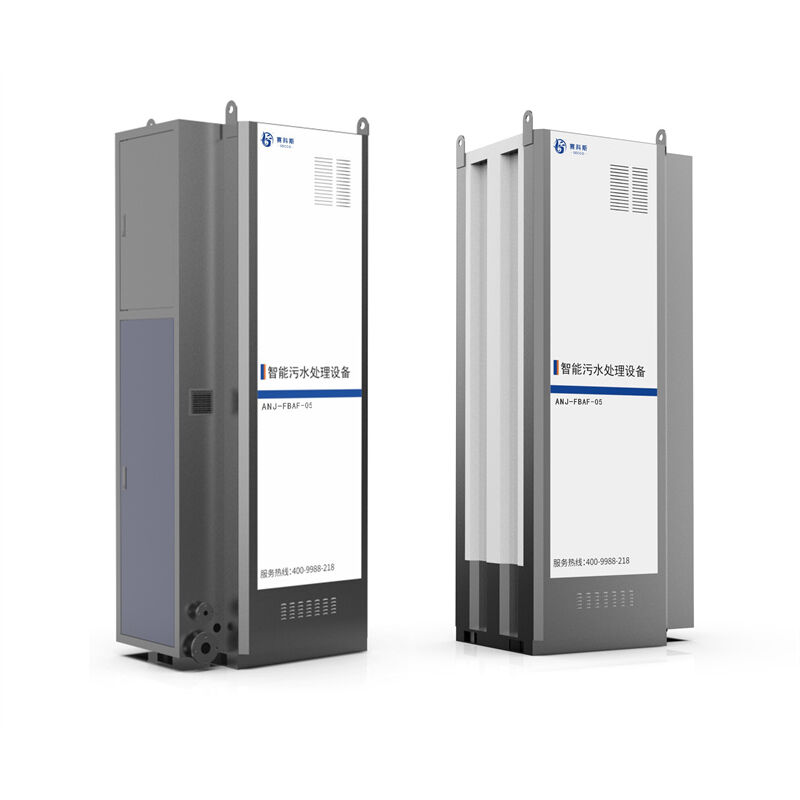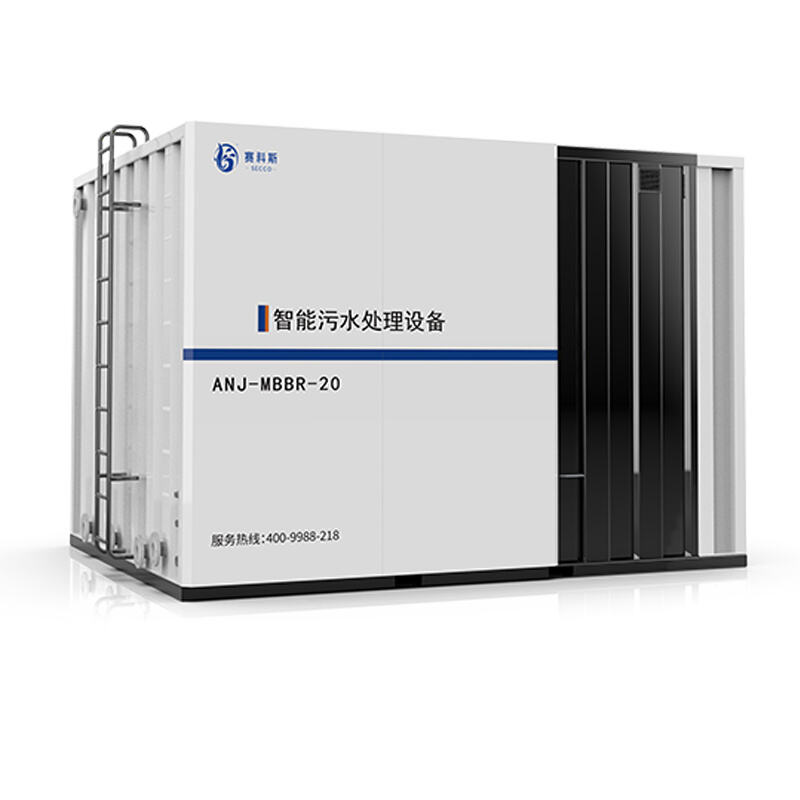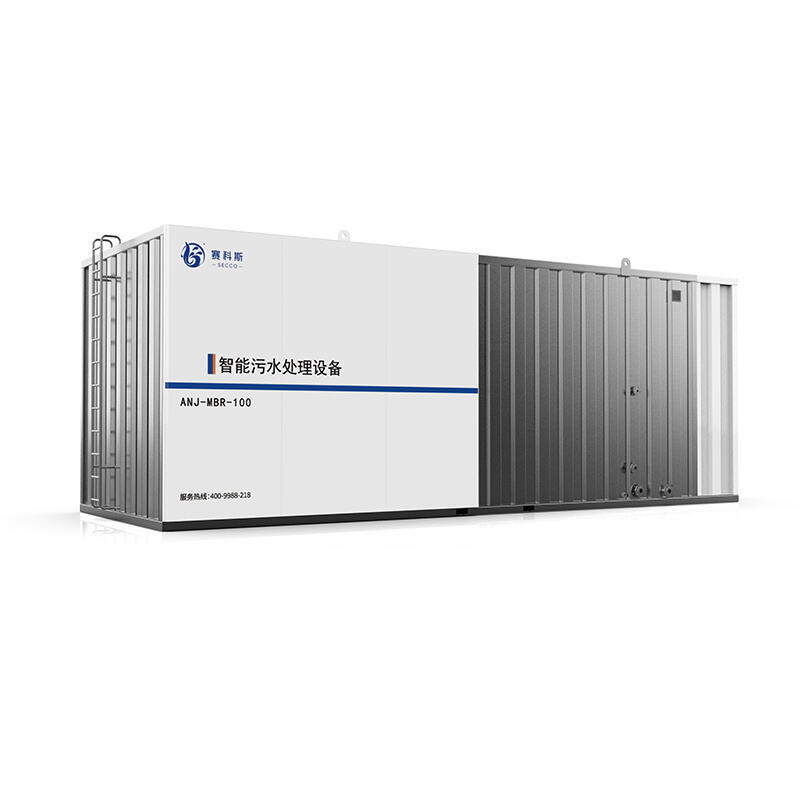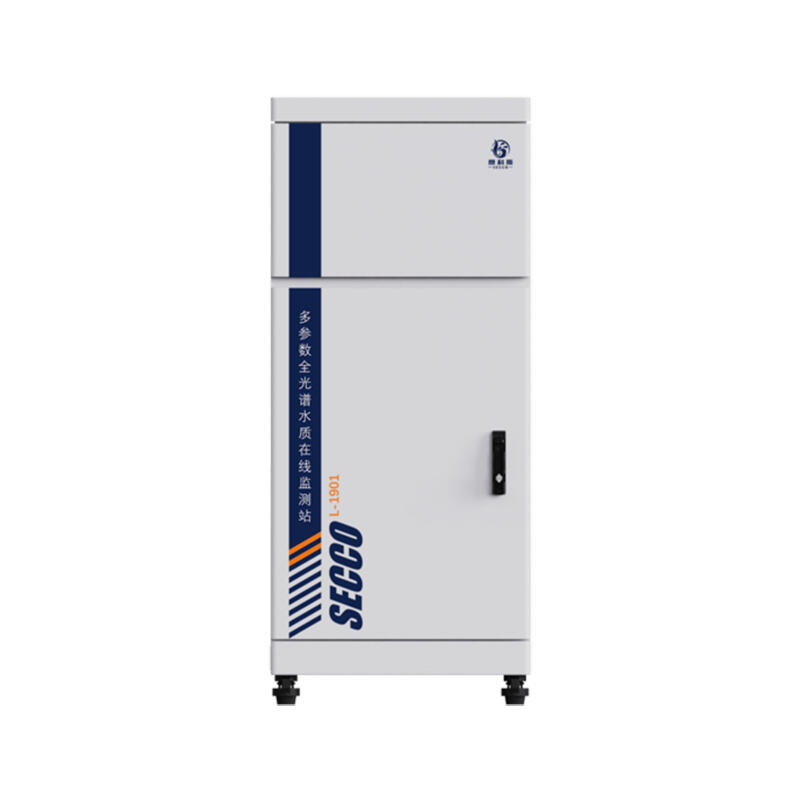
MBRs can also adapt to changes in the flow of wastewater better than traditional systems. The ability of MBRs to continue operating despite fluctuations in the volume of water being treated, such as rain events, allows them to be used in a wide variety of different applications. In addition to being able to adapt to fluctuating flows of water, MBRs generally use less energy than conventional treatment methods, reducing your utility bill. Finally, products produced by the MBR process can often be reused for irrigation or even manufacturing, enhancing the environment. SECCO offers superior quality membrane filtration water treatment systems, as evidenced by the benefits of our product offerings.
Merely evaluating the features of membrane systems and the price of membranes through the various sources available to you is an excellent approach to produce good results when dealing with membrane systems. When making your final decision, be sure to ask all manufacturers about their membrane materials and about the operation of their membrane systems. While some companies make claims that their membrane systems are designed for ease of maintenance, there are also many other manufacturers providing systems with higher levels of technology that offer superior performance. To help with this evaluation process, you should review the communication of different customers who have purchased and used the product you are considering from each supplier, so that you can make sure that the companies you ultimately choose have satisfied their customers and the products are of good quality. A good quality company will provide excellent customer service in addition to providing quality products and will therefore increase your level of confidence in making this choice for your wastewater projects. As such, as a result of this careful selection process, you can feel confident in your choice of Mbr membrane biological reactor products as a sound investment with significant benefits and solid performance.
Another reason why MBR is destined to become the leading technology for treating wastewater in cities and factories around the world is that they are highly adaptable to meet the unique needs of many different types of wastewater. For example, factory wastewater includes many different types of chemicals that must be removed before it can be safely discharged into the environment; whereas, municipal wastewater treatment systems only deal with household wastewater. The versatility of MBR systems makes them very useful for all types of industries, and their smaller footprint compared to older, traditional wastewater treatment technology allows them to fit into smaller urban areas. As the world's population continues to grow and the level of pollution continues to rise, the use of membranes for treating wastewater may be one way to help ensure that our drinking water remains clean for future generations.
MBR technology will likely continue dominating treatment processes for urban and industrial wastewater globally due to the flexibility it offers to accommodate different treatment requirements across a broad array of wastewater sources. In many instances, industrial waste contains numerous chemicals, so treatment plants need to be able to remove those chemicals prior to discharging the treated effluent back into nature, while treatment facilities designed for municipal wastewater tend to only treat the "clean" part of municipal sewer systems (like waste generated by residential users). The inherent flexibility of Mbr membrane bioreactor MBR systems allows them to adapt to various industrial and municipal wastewater sources, as well as their relatively compact designs compared to conventional treatment systems providing treatment sector capability for cities with a modern infrastructure. Given the exponential increase in global population, combined with ongoing increases in pollution levels; MBr membrane systems will likely play an important role in protecting potable water supplies for people in future generations.
In addition, it is important for every business to select MBR systems that best meet their specific industry requirements. Each industry has the potential to generate different kinds of wastewater, therefore selecting the right MBR system is an important consideration. SECCO offers many types and configurations of MBR solutions for the food, pharmaceutical, and petrochemical industries. As for the unique needs presented by each business, the manufacturers have been able to create custom solutions for each individual customer's situation, producing optimal results. As the decision makers for each individual river in this analysis determined that there were eight economic criteria associated with the river and industrial area.
 EN
EN