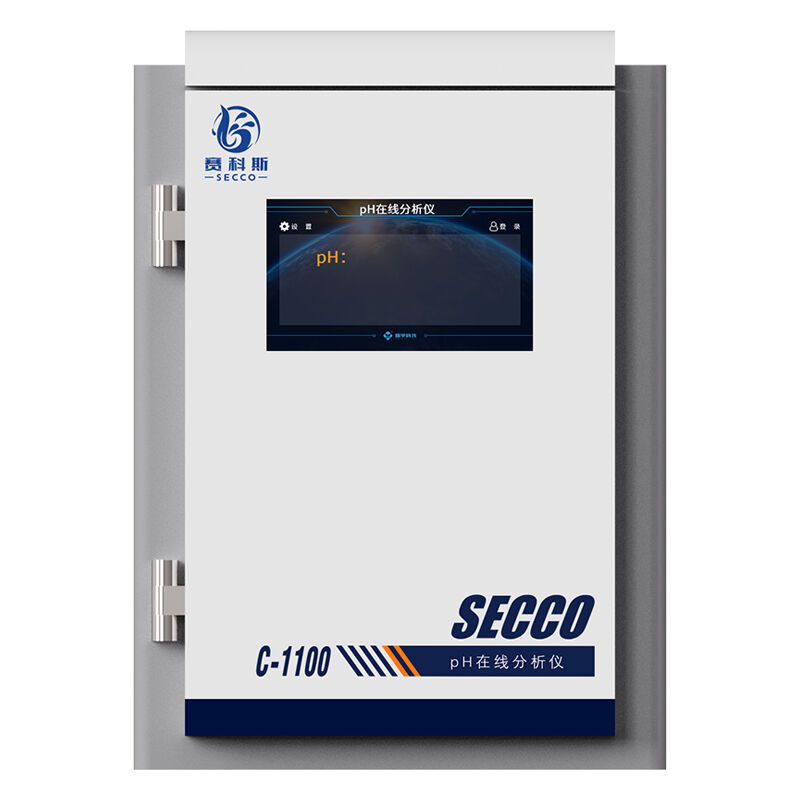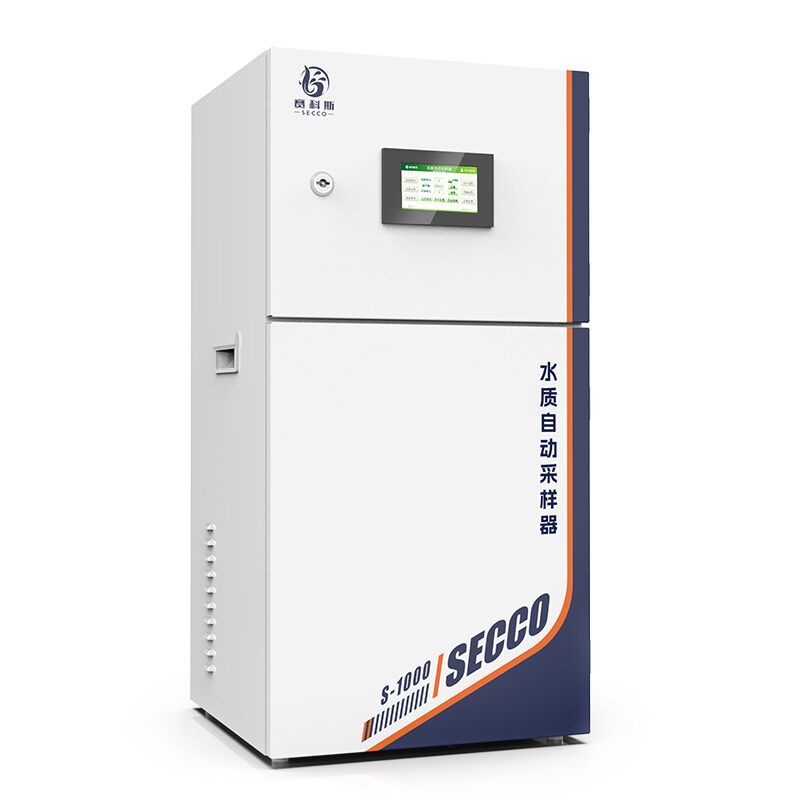
Water quality sensors are powerful tools that let us understand how clean or safe our water is. They are in many of the places where we live, work and play rivers and lakes, public restrooms, private homes. They test for things that may make water unsafe to drink or swim in, such as dirt, chemicals and germs that can cause people to get sick. If you're keen to keep yourself, or your pet's drinking water safe learning how to select a good water quality sensor can go a long way! For SECCO, it is a human right for all to have access to clean water and using the appropriate tools goes a long way
When selecting a water quality sensor, consider where you will use it. Sensors are made for different locations. For instance, if you want to monitor water in a swimming pool, then what you need is a sensor that measures things such as chlorine and pH levels. If you’d like to test water from a river, look for sensors that can detect bacteria or heavy metals. It’s also worth thinking about how easy the sensor is to use. Some are more straightforward and require only that you dip them into the water, while others may need more no salt water softener system preparation. You will also want to see how often the sensor must be calibrated. Calibration is when you tweak the sensor so you know it gives accurate readings. Some require calibrating every day, others can go for weeks or months. Consider the price too. Sensors are available in a range of prices, so see what fits your budget. Fortunately, at SECCO we provide alternative options that will leave you feeling good about giving your heart some much needed love. If you are not sure, feel free to ask for help. You might contact experts or look up reviews online to learn what others think about various sensors. Don’t forget: It’s not just about picking the one closest to you. So take your time to chose which option that will fit for your water analyzing requirement.
There are some downsides to using water quality sensors. A common problem here is that sensors can be fooled. This can occur for a variety of reasons. For example, the sensor might get dirty and could also be affected by interference from other chemicals in the water, leading it not to work properly. Good maintenance is also important to maintain the functioning of the sensor. A possible problem is that some sensors may not be robust at all. If they are dropped, or exposed to extremely high, low or changes in temperature, they could crack. It’s crucial to treat them with care. Battery life can also be an issue. Some sensors function on batteries that require frequent changes, an annoyance. Before you invest in one, be sure to check how long the battery lasts. Users also occasionally are confused by the reverse osmosis water treatment instructions. You won’t even be able to make proper use of the sensor if you do not know how to set it up or use it. At SECCO, we seek to keep our products simple, but reading the manual and checking out tutorials probably can’t hurt if you’re uncertain. Finally, for some users, they haven’t realized that water quality can change drastically in no time at all. One day, a sensor might read safe levels; the next, with a storm or heavy rain, it could wash into danger. Just keep an ear out and test every now and then for best results
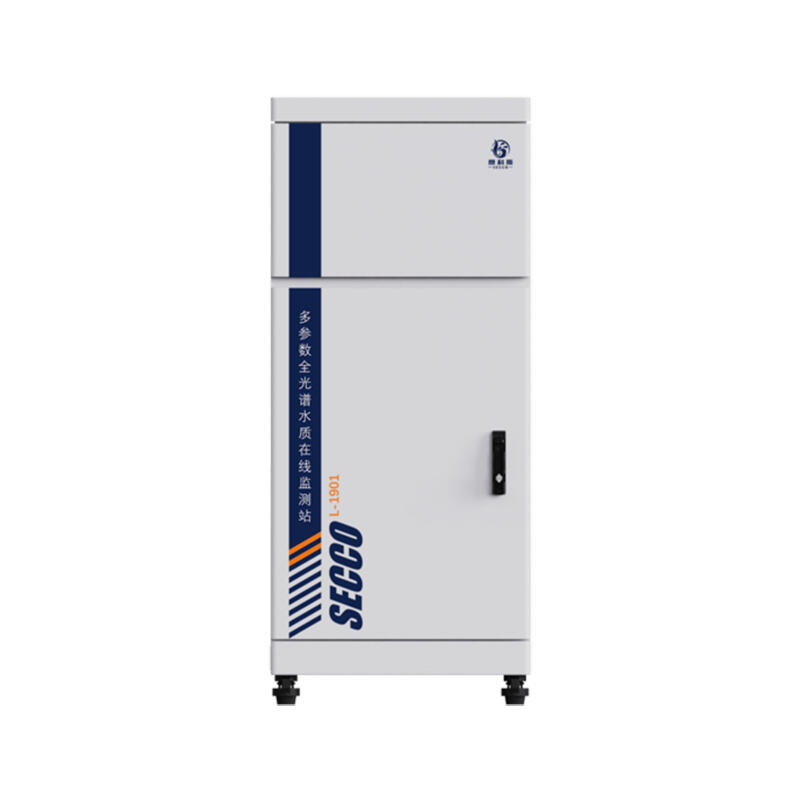
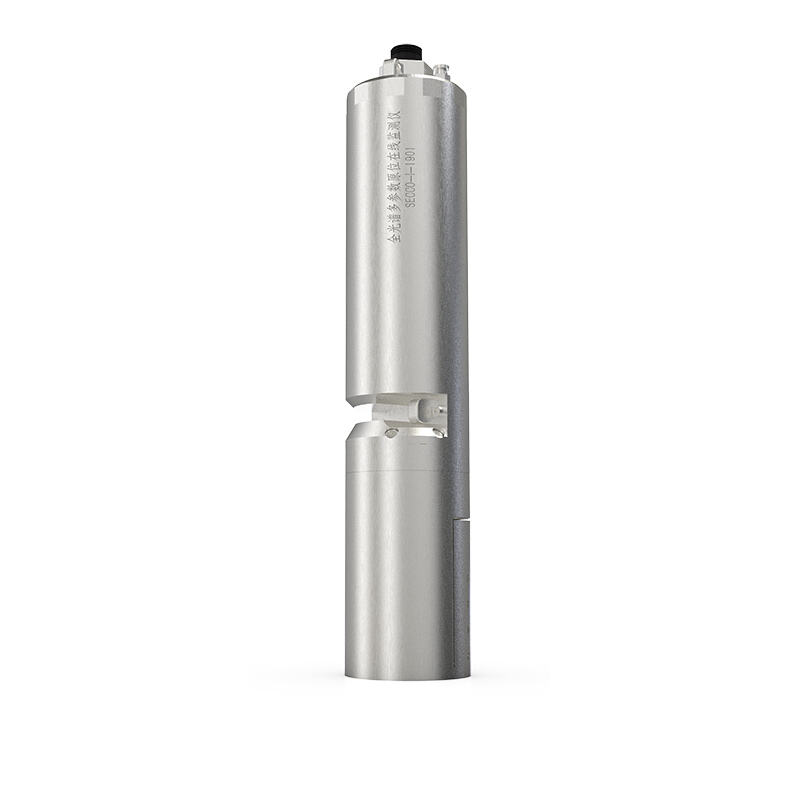
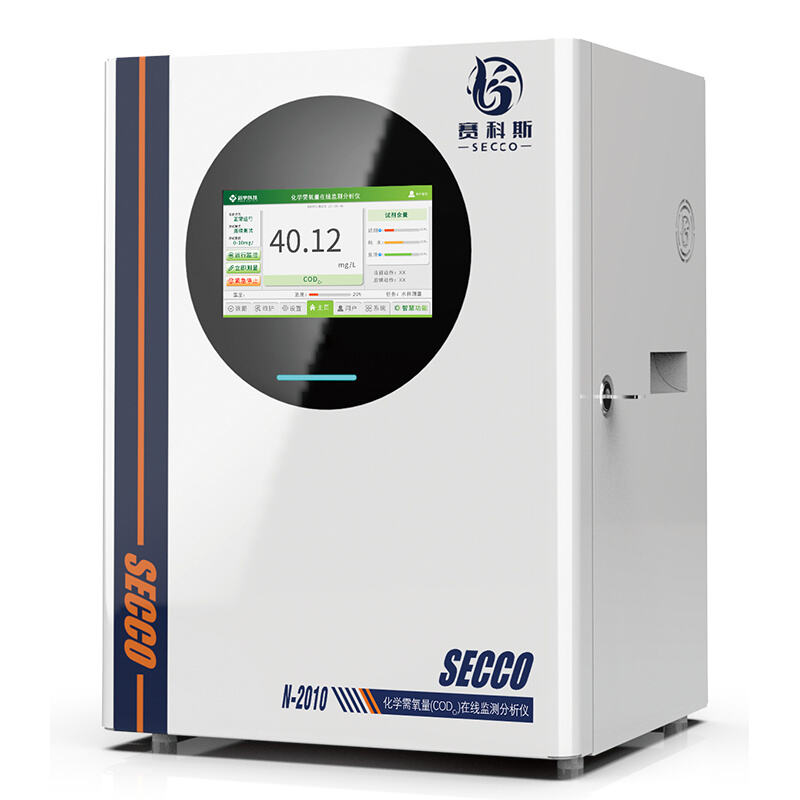
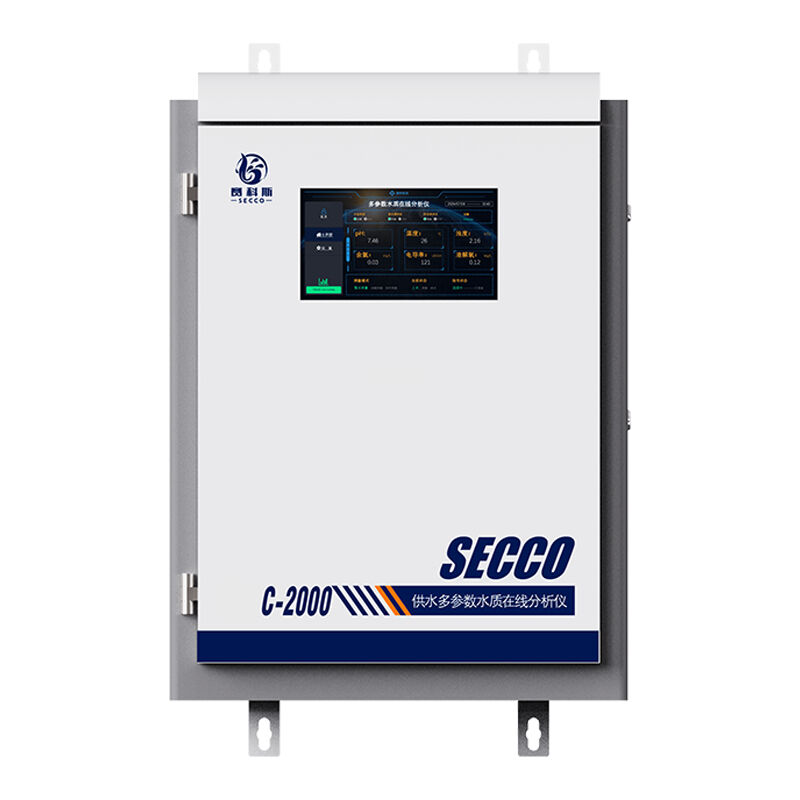
When selecting the right water quality sensor for you, consider features that will support it in operating optimally and providing reliable information. First, you need a sensor that can measure different things in the water. This involves analyzing for levels of pH, turbidity, dissolved oxygen and harmful substances, such as heavy metals or bacteria. All of these factors tell us something important about the safety and cleanliness of the water. A good sensor should be able to sense all these things, which help us understand the water more.
Another important characteristic is the accuracy of the sensor. You need an accurate reading sensor. Inaccurate readings, it says, could lead to ill-informed decisions about the quality of the water. SECCO manufactures sensors that are recognized for their accuracy, so you can have peace of mind. A good sensor should also be easy to use. That means it should be easy to use with straightforward fluoride water filter instructions. If it’s too convoluted, you can find yourself frustrated just trying to access the information you want.
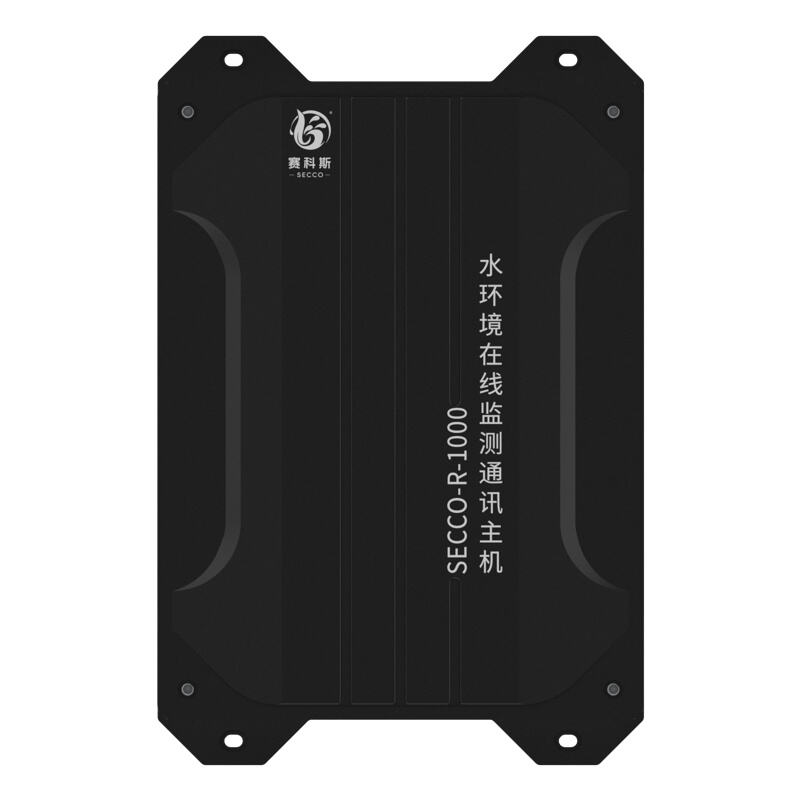
Water quality sensor technology is continually advancing and improving. Smart sensors are one of the recent trends. These sensors are capable of being networked via the web to provide real time water quality monitoring. It means you can get real-time updates on water conditions without being within earshot of the sensor. SECCO is in the vanguard of this movement, offering sensors that sound alarms when water quality goes off-kilter. If, for instance, the sensor is measuring especially high levels of pollution that are deemed to be hazardous to your health, it can send you a message on your phone advising you to take action swiftly.
In industry, the quality of service water must be monitored. They consume a lot of water. And keeping water clean and safe is important. The first thing that can be done to improve water quality monitoring is to select the appropriate sensors that are in line with the industry’s specific requirements. SECCO has developed a series of customizable sensors for various industrial applications, ensuring that when it comes to monitoring water quality, industry has the tools it needs.
 EN
EN